
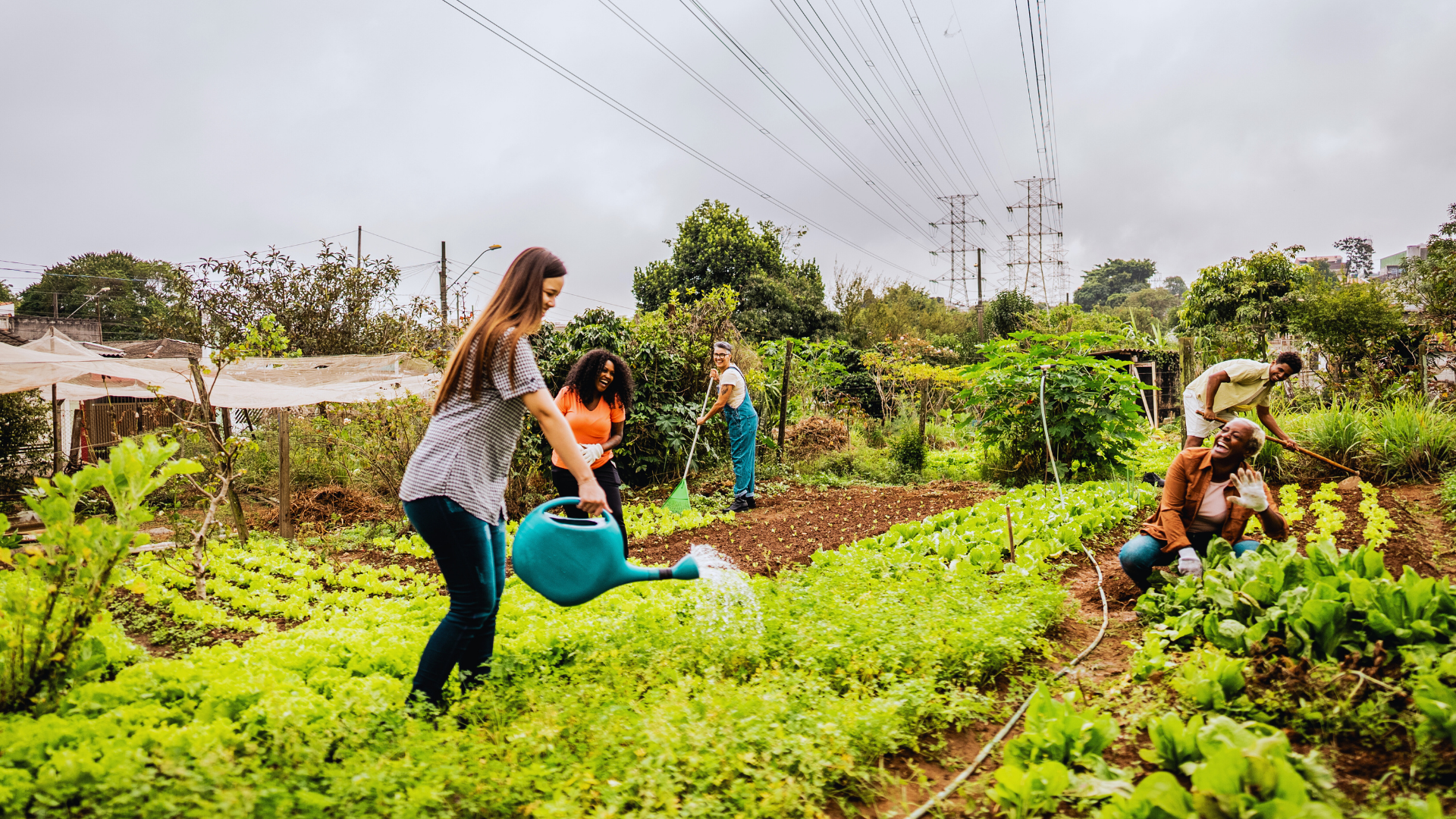
Starting a community garden project involves identifying a suitable location, gaining support from local residents, and organizing essential resources like soil, seeds, and tools. The key to success is building a dedicated team and securing permission from landowners or local authorities early on. This foundation makes the project manageable and sustainable.
Engaging the community with clear goals and roles helps maintain momentum and encourages participation. Small steps like planning meetings and outreach events can turn initial interest into active involvement. A well-organized project not only creates shared green space but also strengthens community ties.
Understanding Community Gardens
Community gardens bring people together to grow plants, share resources, and improve local spaces. They often involve planning, collective effort, and a shared vision for both social and environmental benefits. Knowing the purpose, advantages, and different forms of these gardens helps in setting realistic goals.
What is a Community Garden
A community garden is a shared space where individuals or groups cultivate plants, usually vegetables, fruits, or flowers. These gardens are usually organized by neighborhoods, schools, or nonprofits, allowing members to grow their own food or beautify public spaces.
They serve as both productive land and social hubs. Participants may receive individual plots or work collectively, depending on the garden’s structure. Community gardens promote sustainable practices and often include education on gardening techniques and environmental stewardship.
Benefits of Community Gardening
Gardening collectively improves access to fresh, nutritious produce, especially in areas with limited grocery stores. It reduces food costs for participants and encourages healthier eating habits.
Social connections strengthen as people share knowledge and support each other. This sense of community can reduce isolation and improve mental health.
Environmentally, these gardens increase green spaces, support biodiversity, and can reduce urban heat. They also promote composting, water conservation, and responsible land use. Economic benefits include potential savings on food and opportunities for local economic activity.
Types of Community Gardens
Community gardens come in several forms:
- Allotment Gardens: Individual plots rented or assigned to members for personal use.
- Collective Gardens: Shared work and harvest, with no individual plots.
- Educational Gardens: Run by schools or nonprofits focusing on teaching gardening skills.
- Therapeutic Gardens: Designed to provide healing environments for specific groups like seniors or people with disabilities.
Each type serves distinct purposes, chosen based on community needs, available land, and desired outcomes. Understanding these helps in selecting the right model for a specific project.
Planning Your Community Garden Project
Before starting, consider what you want to achieve, where to set up, and who will be responsible for managing the garden. These decisions will guide your project’s structure and success.
Identifying Goals and Objectives
Establish clear goals for the garden to determine its purpose. Common objectives include improving local food access, creating green space, or fostering community involvement.
Write a list of specific outcomes you want. Examples:
- Grow fresh vegetables for neighborhood families
- Provide educational opportunities for children
- Beautify an unused urban lot
Defining goals helps focus efforts and sets measurable targets. It also aids in communicating the project’s value to potential supporters.
Choosing a Suitable Location
Select a site based on sunlight, soil quality, water access, and security. Ideally, the area should receive at least six hours of direct sunlight daily.
Consider proximity to the community and ease of access for participants. Avoid places prone to flooding or heavy pollution.
Test the soil for contaminants like lead before planting. If soil quality is poor, raised beds or container gardening are alternatives.
Secure permission from landowners or local authorities early in the process. Clarify terms such as lease duration or usage rights to prevent future conflicts.
Forming a Core Team
Recruit a committed group to lead planning and daily operations. Team members should bring diverse skills like gardening, fundraising, and community outreach.
Define roles clearly, such as coordinator, treasurer, or volunteer coordinator. Regular meetings help maintain communication and track progress.
Encourage team members to engage neighbors for broader support. The core team is critical to sustaining momentum and handling challenges that arise.
Securing Resources and Permissions
Starting a community garden requires obtaining proper authorization, organizing funds, and gathering necessary equipment. Understanding legal requirements and budgeting effectively will help avoid delays. Securing tools and materials efficiently ensures the project stays on track.
Land Access and Legal Considerations
Identify potential garden sites by contacting local authorities, schools, or private landowners. Obtaining written permission or a lease agreement is essential to define access rights and responsibilities.
Check with your city or county about zoning laws and any permits needed for gardening activities. Some areas may require liability insurance or adherence to specific regulations related to water use or pesticide application.
Consult local experts or a legal advisor to review agreements. Clarifying these aspects early will prevent conflicts and provide a stable foundation for the garden.
Fundraising and Budgeting
Calculate all expected expenses, including soil, seeds, tools, water setup, and signage. Prepare a detailed budget spreadsheet listing each cost item with estimated prices.
Explore funding options such as grants from nonprofit organizations, local government programs, or community fundraising events. Crowdfunding platforms and sponsorships from local businesses are additional resources to consider.
Track income and expenditures carefully using simple financial tools or software. Transparent budgeting supports accountability and can encourage community donations.
Sourcing Tools and Materials
Create an inventory list covering essentials like shovels, gloves, watering cans, and compost bins. Prioritize acquiring durable, multi-use items to maximize value.
Contact local hardware stores to inquire about bulk discounts or donation possibilities. Community tool-sharing programs or partnerships with gardening clubs can reduce costs.
Consider recycled or repurposed materials such as pallets for raised beds and rain barrels for irrigation. Maintain a storage area to keep tools organized and in good condition.
Designing the Community Garden
Planning the garden’s physical layout, deciding how to distribute plots among participants, and ensuring the space is accessible and welcoming are critical steps. Each element influences how effectively the garden will function and serve its community.
Garden Layout Planning
Start by measuring the available space and noting sun exposure, water sources, and soil quality. Draw a scaled map to organize paths, planting beds, compost areas, and tool storage.
Incorporate paths wide enough (3-4 feet) for wheelbarrows and wheelchair access. Raised beds can improve drainage and ease planting. Allocate space for communal areas like seating or educational spots.
Consider irrigation needs early. Position beds close to water taps and schedule drip irrigation to conserve water. Plan for future expansion by leaving flexibility in the layout.
Plot Allocation Methods
Determine who receives plots based on clear criteria such as residency, interest, or volunteer hours. Common allocation methods include lottery, first-come-first-served, or priority for seniors and families.
Use a sign-up sheet or digital form to collect participant information. Keep plot sizes consistent, typically between 100 and 200 square feet, to ensure fairness.
Create a waiting list to manage demand. Assign plots with visible markers and communicate responsibilities clearly, such as maintenance and harvest rules, to avoid conflicts.
Accessibility and Inclusivity
Design paths without steps, using firm, smooth surfaces like gravel or pavers to ensure wheelchair access. Raised beds at 24-30 inches in height accommodate gardeners with limited mobility.
Provide seating options and shaded rest areas to support different physical needs. Use clear signage with large fonts to aid visually impaired visitors.
Encourage participation by offering multilingual materials and scheduling work sessions at varied times. Ensure policies welcome people of all ages, backgrounds, and abilities.
Organizing Community Involvement
Engaging people and groups around a community garden is essential for success. Bringing together volunteers, local organizations, and residents builds a strong foundation and ensures ongoing support.
Recruiting Volunteers and Members
Start by identifying potential volunteers through local networks, social media, and community centers. Clearly define roles such as planting, maintenance, fundraising, and outreach to match different skills and interests.
Use flyers, neighborhood meetings, and online platforms like Facebook groups to spread the word. Host an initial kickoff event to attract people and explain the garden’s goals and activities. Keep volunteers motivated by scheduling regular meetups and recognizing their contributions.
Tracking volunteer hours and responsibilities with tools like spreadsheets or apps helps organize tasks efficiently. Provide clear communication and training to ensure everyone feels informed and capable.
Building Partnerships
Partner with local schools, businesses, and nonprofits to access resources like funding, tools, or educational programs. Approach organizations with specific proposals on how collaboration benefits both parties.
For example, a school might integrate garden activities into its curriculum, while a business could sponsor supplies or events. City agencies can assist with permits or land use agreements.
Maintaining open, professional communication through emails, meetings, and updates strengthens partnerships. Formalize agreements with written MOU (Memorandum of Understanding) documents to clarify expectations.
Community Engagement Strategies
Implement outreach methods tailored to your neighborhood’s demographics and interests. Regular newsletters, social media updates, and public workshops keep the community informed and involved.
Host inclusive events such as planting days, harvest festivals, and garden tours. These activities encourage participation and build a sense of ownership.
Collect feedback through surveys or meetings to address concerns and adapt the project. Utilize local media when possible to highlight achievements and expand visibility. Engaged communities foster long-term commitment and success.
Launching the Garden
Attention to site conditions and organizing activities for the first planting day are essential steps. Preparing the physical space and coordinating volunteers ensures a smooth start to the project.
Preparing the Site
Clear debris, rocks, and any trash from the chosen plot. Test the soil for pH and nutrients, as this influences plant choices and amendments needed. Adjust soil composition by adding compost or sand based on test results.
Mark garden beds with string or stakes to define planting areas clearly. Set up basic infrastructure, such as pathways to avoid soil compaction and irrigation systems if planned. Ensure access to water is functional and convenient.
Safety is important. Remove any hazardous objects and check for potential pest issues. Inform local authorities if the site requires permits for alterations or water use.
Initial Planting Day Activities
Begin by gathering all necessary tools: trowels, gloves, watering cans, and seeds or seedlings. Brief volunteers on tasks and safety protocols before starting.
Assign roles such as digging, planting, and watering to streamline the process. Plant fast-growing vegetables or herbs first to give visible progress and motivation.
Document which plants go where using a simple map or signposts. This helps in future maintenance and harvesting. Schedule breaks to maintain energy and morale during the workday.
Sustaining the Community Garden
A thriving community garden depends on clear rules, regular care, and a system to handle disputes. These elements keep the project organized, productive, and harmonious over time.
Establishing Rules and Guidelines
Create specific rules that cover plot assignments, planting restrictions, and harvest expectations. Include garden hours, tool usage policies, and waste disposal guidelines to ensure smooth operation.
Make the rules accessible — post them in a visible area and distribute copies to all members. Use a simple format like a checklist or bullet points for clarity.
Examples of key rules:
- Each plot must be maintained weekly.
- No chemical pesticides allowed.
- Shared tools must be cleaned and returned after use.
Clear guidelines prevent misunderstandings and promote fairness within the group.
Maintenance and Upkeep
Regular maintenance keeps the garden healthy and attractive. Schedule dedicated workdays for weeding, watering, and repairing infrastructure like fences or pathways.
Assign volunteers or create rotating teams responsible for specific tasks. Track duties and progress with a whiteboard or digital tool to maintain accountability.
Use a maintenance checklist such as:
- Watering frequency per section.
- Mulching and soil health checks monthly.
- Trash removal every week.
Routine upkeep prevents larger problems and supports sustainable growth.
Conflict Resolution Processes
Disagreements are common but manageable with a clear resolution process. Establish a conflict protocol that encourages open communication first, followed by mediation if needed.
Designate neutral members or a committee to handle disputes. Provide a step-by-step method, such as:
- Discuss issues directly between the involved parties.
- If unresolved, bring the conflict to the committee.
- Implement agreed-upon solutions transparently.
Document resolutions and remind members of community standards regularly to foster respect and cooperation.
Promoting Growth and Expansion
Growing a community garden requires ongoing learning and active participation. Engaging members through education and social activities strengthens both skills and community bonds.
Educational Programs and Workshops
Implementing regular educational programs helps gardeners improve their planting and maintenance techniques. Topics can range from soil health to pest management and seasonal planting schedules.
Workshops led by local horticulturists or experienced gardeners provide hands-on learning. Interactive sessions encourage questions and tailored advice, which increases confidence for beginners.
Consider creating a calendar of seasonal workshops to keep people involved year-round. Including youth and schools in these programs broadens the garden’s impact and future growth.
Provide printed guides, visual aids, and digital resources during sessions. These materials serve as references and reinforce the lessons taught.
Organizing Community Events
Community events foster relationships and draw new members to the garden. Examples include planting days, harvest festivals, or seed swaps.
These events generate enthusiasm and celebrate collective achievements. They also provide opportunities to teach sustainable gardening practices in a relaxed setting.
Planning events on weekends or during local festivals maximizes attendance. Partnerships with local businesses can supply refreshments or sponsorships.
Use signs, flyers, social media, and local newsletters to promote events. Clear communication about event goals and activities encourages wider community participation.
Evaluating Success and Future Planning
Tracking achievements and challenges regularly helps maintain momentum and identify areas that need improvement. Setting measurable goals and reviewing participation, harvest yields, and community engagement provide concrete data to assess progress.
Tracking Progress and Outcomes
Establish clear metrics at the start, such as the number of active gardeners, pounds of produce harvested, and volunteer hours logged. Use tools like spreadsheets or garden journals to record this information consistently.
Surveys and feedback sessions with participants give insight into satisfaction levels and suggest improvements. Note any obstacles that slowed progress, such as pest issues, water shortages, or scheduling conflicts.
Regular check-ins, for example, monthly or quarterly, help keep the project aligned with its goals. Visual aids like charts or graphs can clarify trends over time, making it easier to communicate success to stakeholders or funders.
Planning for Long-Term Sustainability
Focus on securing ongoing resources such as funding, tools, and seeds. Establish partnerships with local organizations, schools, or businesses to share costs and expand support.
Develop leadership among volunteers by creating committees or assigning roles like coordinator, treasurer, and communications lead. This distributes responsibility and helps the garden continue if key members leave.
Create a maintenance schedule covering planting, harvesting, watering, and cleanup to promote consistent care. Document processes and lessons learned to guide new members.
Consider seasonal planning and crop rotation to maintain soil health and productivity year after year. Building a community culture around the garden encourages continued involvement and shared ownership.