
Community recycling initiatives play a crucial role in reducing waste and promoting sustainability. These programs vary widely but share the common goal of turning materials that would otherwise be discarded into valuable resources. Effective community recycling initiatives focus on accessibility, education, and partnerships with local organizations to maximize their impact.
Successful programs often include curbside pickup, drop-off centers, and specialized collections for items like electronics or hazardous waste. Many communities have also adopted innovative approaches, such as incentivizing recycling or incorporating technology to streamline processes. Exploring these initiatives showcases practical solutions that can be adopted or adapted by other neighborhoods.
Understanding the best community recycling initiatives helps identify what truly works in engaging residents and improving environmental outcomes. This article highlights some of the top examples that demonstrate measurable benefits and offer models worth replicating.
Overview of Community Recycling Initiatives
Community recycling initiatives involve organized efforts to collect and process waste materials locally. These programs aim to reduce landfill use, conserve resources, and promote environmental responsibility. They rely on coordinated actions among residents, local governments, and other stakeholders to be effective.
Defining Community Recycling
Community recycling refers to localized systems that enable residents to sort and dispose of recyclable materials like paper, plastics, metals, and glass. These programs often include drop-off centers, curbside pickup, and educational outreach. The focus is on engaging the local population directly to ensure participation.
Such initiatives differ from commercial or industrial recycling by emphasizing accessibility and community involvement. They may also tailor recycling processes to the specific waste profiles of the community, adapting to local needs and infrastructure constraints.
Key Objectives and Benefits
The primary objective is waste reduction through material recovery, easing pressure on landfills and incinerators. Community recycling helps conserve raw materials, lowers greenhouse gas emissions, and reduces energy use compared to producing goods from virgin resources.
Other benefits include cost savings for municipalities by diverting trash, fostering environmental awareness, and creating local jobs in recycling operations. Social benefits such as community pride and education often arise, reinforcing long-term sustainable behaviors.
Stakeholders Involved
Successful initiatives depend on multiple stakeholders, including local governments, waste management companies, residents, and non-profits. Governments typically provide funding, a policy framework, and enforcement.
Waste management firms handle collection and processing logistics, while residents participate by separating recyclables from trash. Educational groups and community organizations help raise awareness and encourage compliance through workshops and campaigns.
Successful Local Recycling Programs
Effective recycling depends on accessible collection methods, well-maintained recycling points, and informed community members. Programs that combine these elements tend to achieve higher participation and better material recovery rates.
Community-Led Curbside Collection
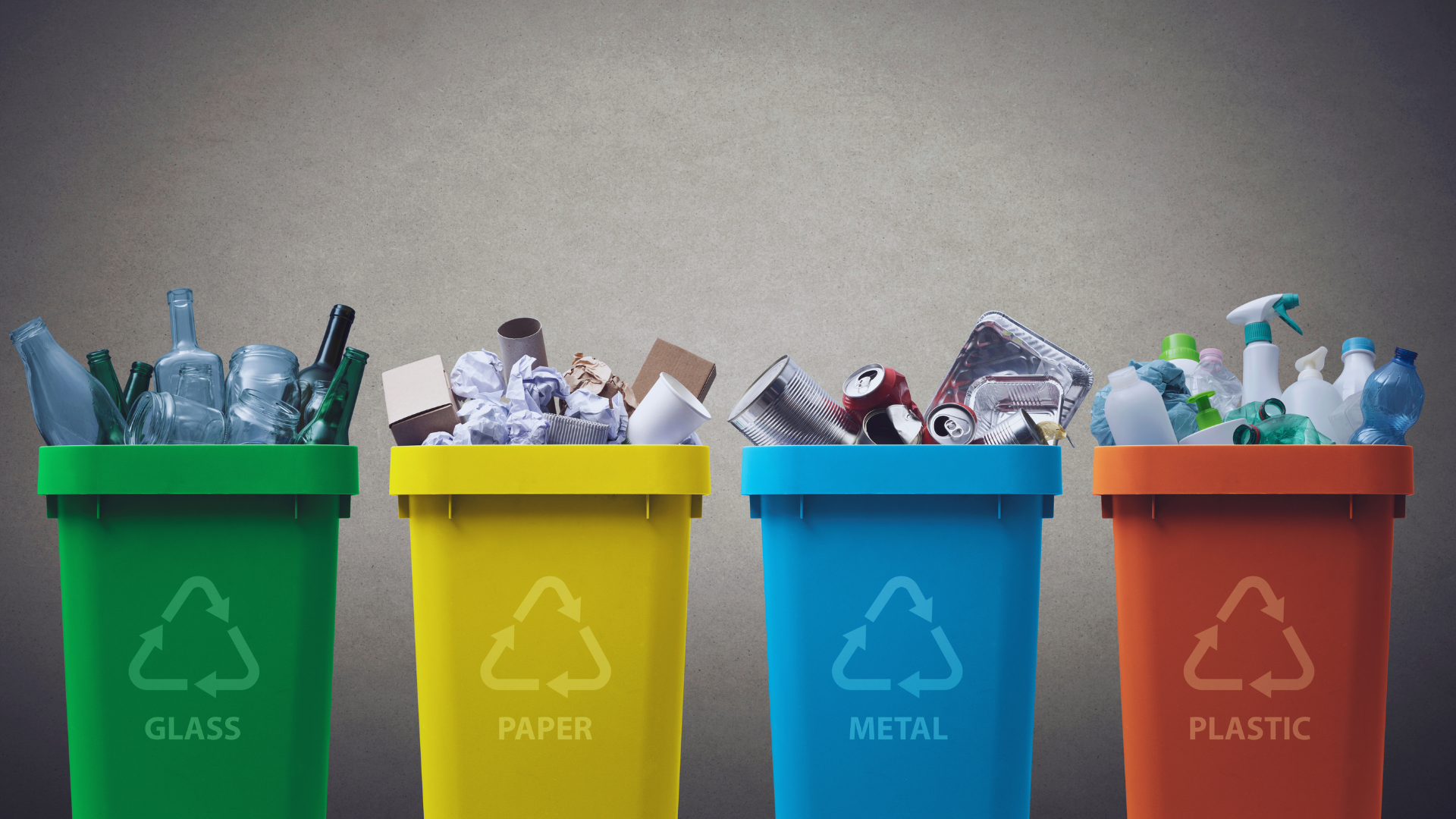
Curbside collection programs allow residents to place recyclables outside their homes for regular pickup. These programs often use color-coded bins to separate materials, such as blue for paper and green for glass, which simplifies sorting.
Local volunteers or municipal workers manage routes, ensuring consistent service and reducing contamination rates. The convenience increases participation, with some areas reporting recycling rates above 60%. Programs may include bi-weekly pickups and seasonal adjustments to handle varying volumes.
Drop-Off Recycling Centers
Drop-off centers provide designated locations where residents can bring recyclables not accepted curbside, such as electronics or large plastics. These centers are typically managed by local governments or nonprofits, offering convenient hours and staffed assistance.
They often accept specialty items like batteries and hazardous waste, preventing improper disposal. Signage and sorting stations help users separate materials, improving processing efficiency. Drop-off centers can serve as hubs for community engagement around sustainability.
Educational Outreach Projects
Education campaigns focus on informing community members about recycling benefits, proper sorting, and waste reduction. Tactics include workshops, school programs, and informational brochures, often tailored to local demographics.
Some initiatives use social media and community events to reach broader audiences. Measurable outcomes include improved recycling accuracy and increased participation rates. Clear, consistent messaging reduces contamination and supports long-term program success.
Innovative Approaches to Recycling
Some communities have adopted creative methods to reduce waste and enhance local recycling efforts. These strategies focus on minimizing landfill contributions and promoting sustainable habits.
Zero-Waste Events
Zero-waste events aim to eliminate landfill waste by using reusable, compostable, or recyclable materials exclusively. Organizers often implement strict waste sorting stations and educate attendees on proper disposal.
Key components include:
- Reusable dishware and cutlery
- Compost bins for food scraps
- Clear signage for recycling categories
These events reduce contamination in recycling streams and significantly cut down on disposable waste. Partnerships with local waste management companies often help track outcomes. Many communities see zero-waste events as a practical way to demonstrate sustainability in daily life.
Neighborhood Composting Initiatives
Neighborhood composting initiatives encourage residents to collectively compost organic waste. These programs typically establish central compost hubs or coordinate curbside pickup of food scraps.
Key benefits involve:
- Diverting food waste from landfills
- Creating nutrient-rich compost for community gardens
- Educating residents on reducing methane emissions
Communities may provide compost bins, training sessions, and regular collection schedules. These initiatives foster local cooperation and improve soil health while reducing overall waste volume. Their success depends on consistent participation and waste segregation compliance.
Partnerships and Collaborations
Effective recycling programs often rely on strong partnerships among various community stakeholders. These collaborations bring together resources, expertise, and influence to improve participation rates and operational efficiency.
Collaboration with Local Governments
Local governments play a critical role in recycling initiatives by providing funding, policy frameworks, and infrastructure support. Many municipalities have established formal agreements with recycling organizations to manage collection sites and public awareness campaigns. These partnerships enable streamlined waste management through coordinated scheduling and standardized recycling guidelines.
Additionally, government agencies often facilitate data sharing and monitoring to measure progress. This collaboration ensures accountability and helps shape future recycling policies based on accurate participation and contamination data.
Business Engagement
Engaging local businesses is vital for expanding recycling initiatives beyond households. Companies contribute by implementing workplace recycling programs and sponsoring community events. Some businesses adopt green procurement policies to source recycled materials or reduce packaging waste.
Businesses also provide logistical support, such as warehousing and transportation for recyclable materials. Through public-private partnerships, companies can help scale collection efforts and fund educational outreach, making recycling more accessible in commercial districts.
Schools and Educational Institutions
Schools act as educational hubs, fostering recycling habits early in life. Many institutions integrate recycling into their curricula and campus operations, involving students in hands-on waste sorting and reduction projects. This approach cultivates environmental responsibility and encourages families to adopt similar practices at home.
Partnerships with schools often include workshops, competitions, and grant-funded programs to improve recycling infrastructure. By engaging the youth, these collaborations build a foundation for long-term community participation and sustainability awareness.
Measuring the Impact of Recycling Initiatives
Assessing the effectiveness of recycling programs involves tracking participation levels and quantifying waste diverted from landfills. Both behavioral data and material outcomes provide a comprehensive view of success.
Community Participation Metrics
Participation rates measure how many individuals engage with recycling efforts. Key indicators include sign-up numbers for recycling programs, attendance at educational events, and frequency of curbside recycling bin use.
Surveys and app-based tracking can reveal demographic trends and identify barriers to participation. For example, analyzing pickup rates over time highlights consistency and areas needing outreach. High contamination rates in recycling bins signal the need for better education on acceptable materials.
Tracking volunteer hours and community-led cleanup events also reflects engagement, showing whether people support initiatives beyond basic recycling.
Waste Reduction Outcomes
Waste reduction focuses on the actual decrease in landfill and incinerator volumes due to recycling. This is measured by the weight or volume of collected recyclables compared to the overall waste generated.
Data from waste haulers and recycling centers provide specific tons or pounds diverted. Comparing these numbers before and after program implementation demonstrates impact.
Material-specific recovery rates—such as for plastics, paper, and metals—help pinpoint which streams perform best. Increasing rates over time indicate program improvement.
Metrics also include calculating the environmental benefits, like reduced greenhouse gas emissions, from lower landfill use. These quantitative outcomes prove the tangible effects of community recycling efforts.
Supporting and Growing Community Recycling
Effective community recycling programs depend on skilled volunteers and reliable funding sources. Recruiting the right people and securing grants are essential steps for expanding and sustaining initiatives.
Volunteer Recruitment and Training
Recruiting volunteers requires clear role definitions and targeted outreach. Communities often use social media platforms and local events to attract individuals with diverse skills, from sorting recyclables to educational outreach.
Training focuses on safety protocols, material identification, and customer service. Structured workshops and hands-on sessions ensure volunteers perform tasks accurately and confidently. Regular updates keep volunteers informed about changes in recycling guidelines or new materials accepted.
Retention strategies include recognition programs and flexible scheduling. Engaged volunteers contribute to higher program reliability and drive community participation over time.
Grant Funding Opportunities
Grants are vital for purchasing equipment, educational materials, and operational costs. Various sources include government agencies, environmental nonprofits, and corporate social responsibility programs.
Successful applications clearly outline the program’s impact, objectives, and budget. Data on community demographics, participation rates, and past successes strengthen proposals.
Some grants require matching funds or community partnerships, so building local alliances enhances funding prospects. Tracking expenses and outcomes ensures compliance and aids in renewing or applying for future grants.
Overcoming Common Challenges
Successful recycling programs tackle issues related to both the quality of recyclable materials and sustained engagement from the community. Addressing these problems requires targeted actions and clear communication strategies.
Addressing Contamination
Contamination occurs when non-recyclable items or improperly sorted materials enter recycling bins. This reduces the efficiency of recycling processes and can lead to entire batches being discarded.
Effective solutions include providing clear, visual guidelines on what can and cannot be recycled. Labels and signs with images help prevent confusion. Regular community workshops or outreach campaigns reinforce this knowledge.
Another key approach is implementing a quality control system where recyclables are inspected before processing. Facilities can reject highly contaminated loads, encouraging residents to improve sorting habits. Partnering with local organizations to distribute educational materials also raises awareness and reduces contamination rates.
Promoting Consistent Participation
Inconsistent participation limits the impact of community recycling efforts. Engagement tends to drop when residents lack motivation or forget schedule details.
To encourage steady involvement, many programs use reminders through apps, emails, or local bulletins about collection days. Incentives like discounts on utility bills or rewards for households that recycle properly have proven effective in increasing participation.
Community leaders can organize events and challenges to maintain interest, fostering a sense of collective responsibility. Simplifying the process with convenient bin placements and easy-to-understand rules also removes barriers to consistent participation.
Global Inspiration: International Community Recycling Models
Successful community recycling efforts around the world demonstrate diverse approaches, from government mandates to grassroots participation. These examples highlight operational methods, incentives, and cultural factors that drive consistent recycling behavior.
Noteworthy Global Examples
In Japan, the Kamikatsu Zero Waste initiative has residents sort waste into over 45 categories, achieving a recycling rate above 80%. Clear guidelines and community workshops ensure compliance and awareness. The city’s long-term commitment includes local government support and volunteer involvement.
Sweden’s Pant System offers a refundable deposit on bottles and cans, encouraging return and reuse. This system recycles nearly 90% of beverage containers nationwide. Its simplicity and financial incentive drive widespread participation.
Singapore uses a tightly regulated Waste Management System with scheduled collection and strict litter laws. Public education campaigns, combined with heavy fines for non-compliance, maintain high recycling rates. The system integrates technology to track and optimize waste sorting.
Lessons for Local Communities
Clear communication and ease of participation are key. Japan’s detailed sorting system works because it is supported by instructional programs and local engagement. Communities should invest in education to remove confusion.
Incentives increase motivation. Sweden’s deposit-return model proves that small financial rewards boost recycling rates significantly. Local programs may consider refundable deposits or similar benefits.
Enforcement and consistency matter. Singapore balances education with penalties, ensuring reliable compliance. Communities need to set clear rules and back them with appropriate enforcement to maintain standards.
Key attributes for success:
| Attribute | Example | Impact |
| Education | Kamikatsu workshops | Increased correct sorting |
| Financial Incentives | Sweden’s deposit return | Higher participation levels |
| Regulation & Penalty | Singapore’s fines | Consistent community adherence |