
Creating an eco-friendly office is not just good for the environment; it can also reduce costs and improve employee well-being. Simple actions like reducing paper waste, using energy-efficient lighting, and encouraging recycling can make a significant difference.
The best ways to make your office eco-friendly involve minimizing energy use, cutting down on waste, and choosing sustainable products. These steps are practical and accessible for nearly any workplace, regardless of size or industry.
Adopting green practices can boost your company’s image and contribute to a healthier planet. Implementing small changes today leads to a lasting impact over time.
Embracing Sustainable Office Practices
Implementing effective eco-friendly strategies involves rethinking daily workflows, employee work arrangements, and purchasing decisions. These practical measures can reduce environmental impact while maintaining productivity and cost-efficiency.
Adopting a Paperless Workflow
Transitioning to digital documents cuts paper consumption, reduces waste, and lowers printing costs. Use cloud-based storage and collaboration tools like Google Drive or Microsoft OneDrive to minimize physical document handling.
Set printers to default double-sided and black-and-white printing to limit paper and ink use when printing is necessary. Encourage scanning and digital signatures to streamline approvals and communication.
Establish clear guidelines on digital file organization and secure backups to avoid unnecessary printing caused by lost or misplaced documents. Training employees on paperless tools improves adoption and reduces resistance.
Encouraging Remote and Hybrid Work
Remote and hybrid models reduce commuting emissions and office resource use, such as electricity and water. Offering flexible schedules can also improve employee satisfaction and retention.
Ensure remote setups support video calls with energy-efficient devices and promote paperless communication. Provide guidance on home office energy use and waste reduction.
Track changes in energy consumption and emissions from reduced commuting to quantify environmental benefits. Use data to refine remote work policies and optimize office space usage.
Sustainable Procurement Policies
Focus purchasing on suppliers with transparent environmental practices. Prioritize products made from recycled or renewable materials and avoid single-use items.
Request certifications like ENERGY STAR or FSC to verify eco-friendly claims. Implement bulk buying to reduce packaging waste and lower shipping impacts.
Maintain a preferred vendor list aligned with sustainability goals. Review contracts regularly to adapt procurement standards based on evolving environmental priorities.
Energy Efficiency and Conservation
Improving energy efficiency and reducing unnecessary power consumption are critical steps to lower an office’s environmental impact. Small adjustments in lighting, heating, and electronic usage can yield measurable savings on energy bills and resource use.
Switching to LED Lighting
Replacing incandescent or fluorescent bulbs with LED lighting reduces energy consumption by up to 75%. LEDs have a longer lifespan, lasting approximately 25,000 to 50,000 hours, which means fewer replacements and less waste.
LEDs also generate less heat compared to traditional bulbs, reducing the load on air conditioning systems. When choosing LEDs, prioritize those with the ENERGY STAR label for verified efficiency. Use dimmable options or daylight sensors to further optimize lighting based on office needs and natural light availability.
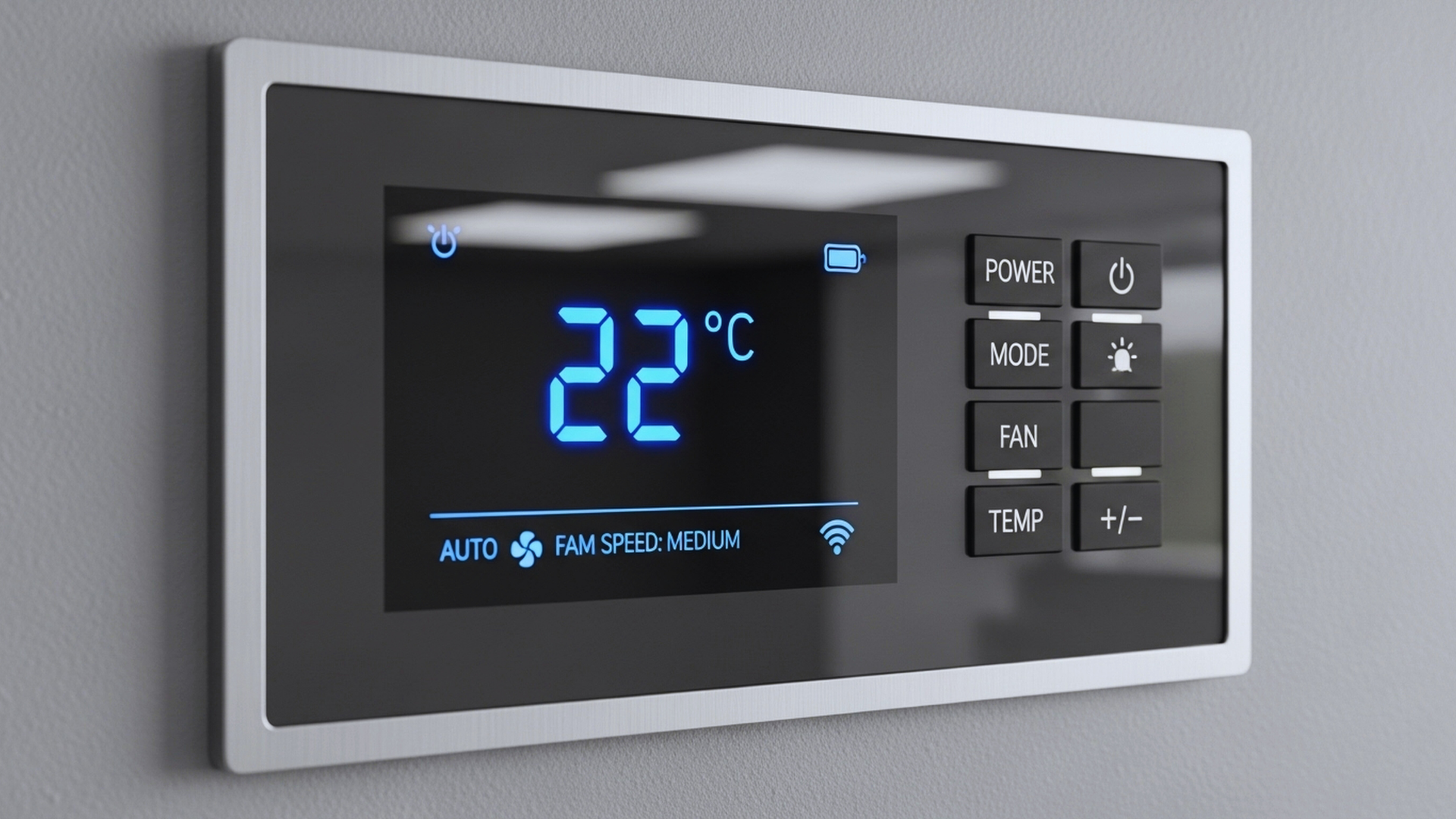
Implementing Smart Thermostats
Smart thermostats help maintain optimal temperature settings without manual adjustments. They learn usage patterns and adjust heating or cooling accordingly, reducing energy waste during off-hours or low-occupancy periods.
Many models allow remote control via smartphones, enabling facility managers to make real-time changes. Programmable schedules prevent excessive heating or cooling and can lead to energy savings of 10-15%. Make sure the thermostat is installed in a location free from drafts or direct sunlight for accurate readings.
Reducing Phantom Energy Use
Phantom energy refers to power consumed by devices when they are switched off but still plugged in. Office equipment like computers, printers, and chargers often draws small amounts of electricity continuously.
Use power strips with on/off switches to completely cut power when devices are not in use. Encouraging employees to shut down computers fully instead of leaving them in sleep mode also helps. Investing in ENERGY STAR-rated equipment reduces phantom loads, as these are designed to use less standby power.
Eco-Friendly Office Supplies
Choosing the right office supplies can significantly reduce environmental impact. Prioritizing recycled materials, safe cleaning products, and careful purchasing helps minimize waste and exposure to harmful chemicals.
Using Recycled Paper and Stationery
Switch to paper products made from 100% post-consumer recycled content to conserve trees and reduce landfill waste. Look for certifications like FSC Recycled or Green Seal to ensure quality and sustainability compliance.
Opt for refillable pens, pencils, and notebooks to further cut down on single-use items. These products decrease plastic waste and often come with lower carbon footprints.
Implement digital alternatives where possible, such as electronic note-taking and document sharing, to reduce paper consumption without sacrificing productivity.
Selecting Non-Toxic Cleaning Products
Choose cleaning products labeled biodegradable and free from harsh chemicals like ammonia, chlorine, or phthalates. These substances can harm indoor air quality and water systems.
Brands with EcoLogo or EPA Safer Choice certifications ensure safer ingredients and environmental responsibility. Using concentrated formulas can reduce packaging waste.
Keep employee health in mind by selecting low-VOC (volatile organic compound) products that minimize respiratory irritants and chemical exposure.
Bulk Purchasing for Waste Reduction
Buying in bulk reduces packaging waste and lowers the frequency of deliveries, cutting carbon emissions. Focus on essentials such as paper, toner, and office snacks.
Use reusable storage containers after opening bulk items to maintain freshness and limit single-use plastic bags or wraps.
Track inventory carefully to avoid overordering and waste. Combining supplies with nearby offices can also improve ordering efficiency.
Green Office Equipment and Furniture
Selecting the right office equipment and furniture can reduce energy consumption, decrease waste, and improve employee health. Prioritizing efficiency, sustainability, and reusability is essential for an eco-friendly workspace.
Choosing Energy Star Equipment
Energy Star-certified products meet strict energy efficiency guidelines set by the U.S. Environmental Protection Agency. Common Energy Star equipment includes computers, printers, monitors, and copiers that use less power both in active and sleep modes.
Choosing devices with automatic power-down features and lower standby energy consumption helps cut electricity use. Look for labels on new purchases and upgrade old devices that consume high energy. These measures reduce utility costs while supporting environmental goals.
Incorporating Ergonomic Sustainable Furniture
Sustainable office furniture made from renewable or recycled materials reduces environmental impact. Products constructed with FSC-certified wood or recycled metal and plastic are preferable.
Ergonomic design focuses on comfort, supporting good posture, and reducing physical strain. Adjustable chairs and desks promote health and productivity. Combining ergonomics with sustainable materials ensures durability and long-term savings.
Reusing and Upcycling Office Decor
Reusing existing furniture and decor reduces waste and the demand for new resources. Simple refurbishments like repainting or reupholstering can extend the life of office chairs, desks, and storage units.
Upcycling old items into new functional pieces adds character and minimizes landfill contributions. For example, wooden pallets can be repurposed as shelving or desks. This approach saves money and supports sustainability goals.
Waste Reduction and Recycling Programs
Implementing effective waste reduction and recycling efforts requires clear organization, thoughtful separation of materials, and conscious reduction of disposable items. Encouraging participation and making it easy for employees to comply are crucial for success.
Setting Up Comprehensive Recycling Stations
Create clearly labeled recycling stations in high-traffic office areas like break rooms, near printers, and entrances. Use separate bins for paper, plastics, metals, and electronics to avoid contamination. Visual guides or color-coded bins help employees sort waste correctly.
Regularly audit the contents of recycling bins to ensure compliance and educate staff on common sorting errors. Place small signs with examples of recyclable items at each station. Consider involving a recycling company that provides feedback on your program’s effectiveness.
Composting Office Food Waste
Designate a compost bin specifically for food scraps in the kitchen or break areas. This includes fruit peels, coffee grounds, and food leftovers, but excludes meat and dairy unless your compost system accepts them.
Partner with local composting services or use an on-site vermicomposting system if space allows. Educate employees about what can and cannot be composted to prevent contamination, which can disrupt the process.
Minimizing Single-Use Plastics
Replace disposable plastic items with reusable alternatives such as metal cutlery, ceramic mugs, and glass water bottles. Provide refill stations for water and encourage employees to bring their own containers.
Eliminate plastic packaging by choosing suppliers with zero or minimal plastic wrapping. Track plastic use regularly and share reduction progress with employees to maintain awareness and engagement.
Encouraging Green Transportation
Reducing carbon emissions from commuting can significantly impact an office’s environmental footprint. Adopting targeted strategies encourages employees to choose sustainable travel options.
Promoting Cycling and Public Transit
Providing secure bike parking and shower facilities supports employees who cycle. Partnering with local transit agencies to offer discounted or subsidized passes increases public transit use.
Regular communication on bike routes and transit schedules makes these options more accessible. Hosting events like “Bike-to-Work” days fosters a culture of sustainable commuting.
Offering Electric Vehicle Charging
Installing EV charging stations encourages employees to switch to electric cars, reducing reliance on fossil fuels. Select chargers with fast-charging capabilities to accommodate varying schedules.
Charging infrastructure should be placed in convenient, well-lit locations to ensure usability and security. Monitoring usage can help optimize capacity and justify expansion.
Carpool and Ridesharing Initiatives
Implementing a carpool matching program connects employees with similar routes, lowering the number of vehicles commuting daily. Incentives such as preferred parking spots motivate participation.
Using rideshare apps tailored for workplaces simplifies coordination and tracking. Clear guidelines on safety and etiquette improve user experience and participation rates.
Indoor Air Quality and Natural Elements
Improving indoor air quality and introducing natural elements can significantly enhance workplace comfort and health. Practical steps involve integrating specific greenery, optimizing daylight, and employing effective air cleaning technologies.
Adding Indoor Plants
Indoor plants help reduce airborne pollutants like formaldehyde and benzene. Species such as spider plants, snake plants, and peace lilies are particularly effective for improving air quality.
Beyond air purification, plants increase humidity, which can lower the incidence of dry skin and respiratory problems in dry office environments.
Placement is important. Position plants near workstations or common areas to maximize benefits. Maintenance should also be simple to avoid introducing mold or pests.
Maximizing Natural Light
Natural light reduces the need for artificial lighting, cutting energy use. It also supports circadian rhythms, boosting employee alertness and mood.
Strategies include using transparent blinds or light-diffusing window films that allow light without excessive glare. Desk arrangements should encourage exposure to daylight while minimizing screen reflections.
Ensure windows are clean and unobstructed, and consider adding skylights in window-limited spaces.
Air Purification Systems
Air purifiers with HEPA filters remove dust, allergens, and some microorganisms from the air, contributing to a healthier environment. Look for units that also reduce VOCs (volatile organic compounds) emitted by office materials.
Regular maintenance is key: replace filters according to manufacturer guidelines to maintain efficiency. Some systems combine humidification or ionization for added benefits, but these features require careful evaluation.
Choose models sized appropriately for the office area to ensure adequate air exchange.
Fostering a Green Office Culture
Building a workplace focused on sustainability requires clear communication and active participation. Employees need to be equipped with knowledge and motivated to take part in eco-friendly initiatives. Leadership plays a key role in driving this cultural shift.
Providing Employee Education
Educating employees on environmental issues and practical steps enhances engagement. Regular workshops or webinars can cover topics like waste reduction, energy conservation, and sustainable commuting options. Distributing easy-to-follow guides or checklists helps reinforce these lessons daily.
Using visual reminders, such as posters near printers and recycling bins, encourages responsible behavior. Tailoring content to specific departments ensures relevance and increases uptake. For example, finance teams might focus on paperless billing, while IT staff could prioritize energy-efficient device use.
Tracking progress through dashboards or newsletters keeps the team informed and inspired. Incentives, like recognition programs for sustainable practices, boost participation and embed eco-conscious habits in office routines.
Creating an Eco-Champion Team
Forming a dedicated group of eco-champions drives momentum across the organization. This team acts as sustainability advocates, identifying opportunities for improvement and organizing initiatives.
Their responsibilities include conducting audits, proposing policy changes, and coordinating events like Earth Day celebrations or recycling drives. Having representatives from multiple departments ensures diverse perspectives and wider engagement.
Eco-champions also serve as points of contact for colleagues, answering questions and offering support on green practices. Establishing clear goals and regular meetings maintains focus and accountability. Providing them with authority to implement small changes fosters ownership and faster results.
Measuring and Certifying Office Sustainability
Effectively tracking environmental impact and verifying green practices are crucial steps for an eco-friendly office. Tools and certifications provide concrete data and official recognition that guide sustainability efforts and demonstrate commitment.
Using Sustainability Assessment Tools
Sustainability assessment tools analyze an office’s environmental performance across multiple areas. These tools often measure energy use, waste generation, water consumption, and carbon footprint. Popular platforms include ENERGY STAR Portfolio Manager and Green Globes.
Many tools offer customized reports and benchmarks to highlight improvement opportunities. They facilitate ongoing tracking by comparing data over time. Some even incorporate employee behavior and procurement practices into their evaluations.
Companies can use assessment results to set measurable goals and prioritize upgrades. The clarity and detail provided help allocate resources effectively for maximum environmental benefit.
Pursuing Green Building Certifications
Green building certifications formally recognize sustainable office environments. The most widely known is LEED (Leadership in Energy and Environmental Design), which scores buildings on energy efficiency, materials, indoor air quality, and location.
Other certifications include WELL, which focuses on occupant health, and BREEAM, a European system covering energy, water, and pollution. Each certification has specific criteria and scoring systems.
Obtaining certification requires submitting documentation, passing inspections, and meeting predefined standards. Certified buildings often see reduced operational costs and enhanced reputation, benefiting stakeholders and the environment.