
Pest control doesn’t have to rely on harsh chemicals or synthetic solutions. Natural methods can effectively manage pests while being safer for your home, garden, and the environment. Using techniques like companion planting, natural predators, and organic sprays can reduce pest problems without toxic side effects.
These methods work by creating a balanced ecosystem that discourages pests from thriving. Understanding which plants and insects help control pests naturally is key to maintaining a healthy space.
By choosing natural pest control, you avoid the risks associated with chemical use and promote sustainability. This approach also supports beneficial wildlife and preserves soil quality, making it a responsible choice for long-term pest management.
Understanding Common Household Pests
Household pests vary widely in type and behavior, often requiring specific approaches for control. Identifying the pest accurately, recognizing early signs, and knowing the extent of an infestation are critical steps before selecting a treatment.
Identifying Common Pest Types
Common household pests include ants, cockroaches, rodents, termites, and silverfish. Each species has distinct habits, preferred environments, and physical traits. For example, ants form visible trails and prefer sugary or greasy food, while cockroaches thrive in dark, moist areas.
Rodents like mice and rats leave droppings and gnaw marks; termites cause wood damage and leave mud tubes. Knowing these differences helps target effective control methods.
Recognizing Signs of Infestation
Signs include droppings, gnaw marks, shed skins, damaged food packaging, and unusual odors. For termite infestations, look for hollow-sounding wood or small piles of sawdust. Rodents typically create scratching noises within walls.
The presence of live or dead pests is an obvious warning. Tracking these indicators early limits damage and stops pests from spreading.
Assessing the Severity of Pest Problems
Severity is measured by pest number, spread, and damage extent. A few ants in the kitchen are low-level, while widespread termite damage is severe. Use inspection checklists to measure:
- Number of pest sightings
- Damage to structures or belongings
- Frequency of pest activity
Addressing infestations promptly reduces the risks of worsening or costly repairs.
Principles of Natural Pest Control
Natural pest control relies on sustainable, eco-friendly strategies that prioritize balance within ecosystems. These methods reduce dependence on chemicals, promote biodiversity, and maintain healthy plant and animal communities.
Benefits of Natural Methods
Natural pest control minimizes chemical exposure, protecting human health and the environment. It preserves beneficial insects like pollinators and predators that naturally regulate pest populations. This approach reduces the risks of pesticide resistance in pests, ensuring long-term effectiveness.
Cost savings can result from fewer pesticide purchases and improved soil health. Gardens and farms often experience better biodiversity, which contributes to resilient ecosystems. Additionally, natural methods support organic certifications and appeal to consumers seeking chemical-free produce.
How Natural Pest Control Works
Natural pest control uses biological, cultural, and mechanical methods to manage pests. Biological control introduces or supports natural enemies such as ladybugs, parasitic wasps, or nematodes to keep pests in check. Cultural controls involve practices like crop rotation, planting pest-resistant varieties, and adjusting planting times to disrupt pest life cycles.
Mechanical methods include barriers, traps, handpicking, and tilling. These combined strategies focus on prevention, minimizing pest survival and reproduction without harmful chemicals. The goal is to maintain pest populations below damaging levels rather than total eradication.
Common Myths About Natural Solutions
A common misconception is that natural pest control is ineffective or slower than chemical methods. While results may take longer, natural strategies often provide longer-lasting pest management by addressing root causes. Another myth is that natural methods are too labor-intensive; many techniques can integrate easily with routine garden or farm maintenance.
Some assume natural means completely harmless, but even organic inputs can have environmental impacts if used incorrectly. Proper knowledge and application are essential for success. Natural pest control is not a one-size-fits-all solution but part of an adaptive, informed pest management system.
Physical and Mechanical Pest Control Techniques
Physical and mechanical methods focus on using tangible barriers, direct removal, and device-based capture to reduce pest populations. These techniques minimize chemical use and allow targeted pest management.
Barriers and Exclusion Tactics
Barriers prevent pests from accessing plants or living spaces. Common examples include row covers, netting, and screens that block insects like aphids and beetles. For rodents and larger pests, sealing cracks and gaps in walls or using door sweeps stops entry into buildings.
Using copper tape or mesh can deter slugs and snails around garden beds. Sticky barriers applied to tree trunks stop crawling insects from climbing. Physical exclusion requires regular inspection for weak points and minor repairs to remain effective over time.
Manual Removal Methods
Manual removal involves physically picking off pests or their larvae. Gardeners often remove caterpillars, beetles, or aphids by hand in small infestations. This method suits vegetables and ornamental plants where volume allows careful inspection.
Tools like soft brushes and hand-held vacuums help gather insects without harming plants. Removing infested leaves or plant parts further reduces pest numbers. Manual removal demands consistency and attention but avoids chemical exposure and protects beneficial insects.
Traps and Bait Stations
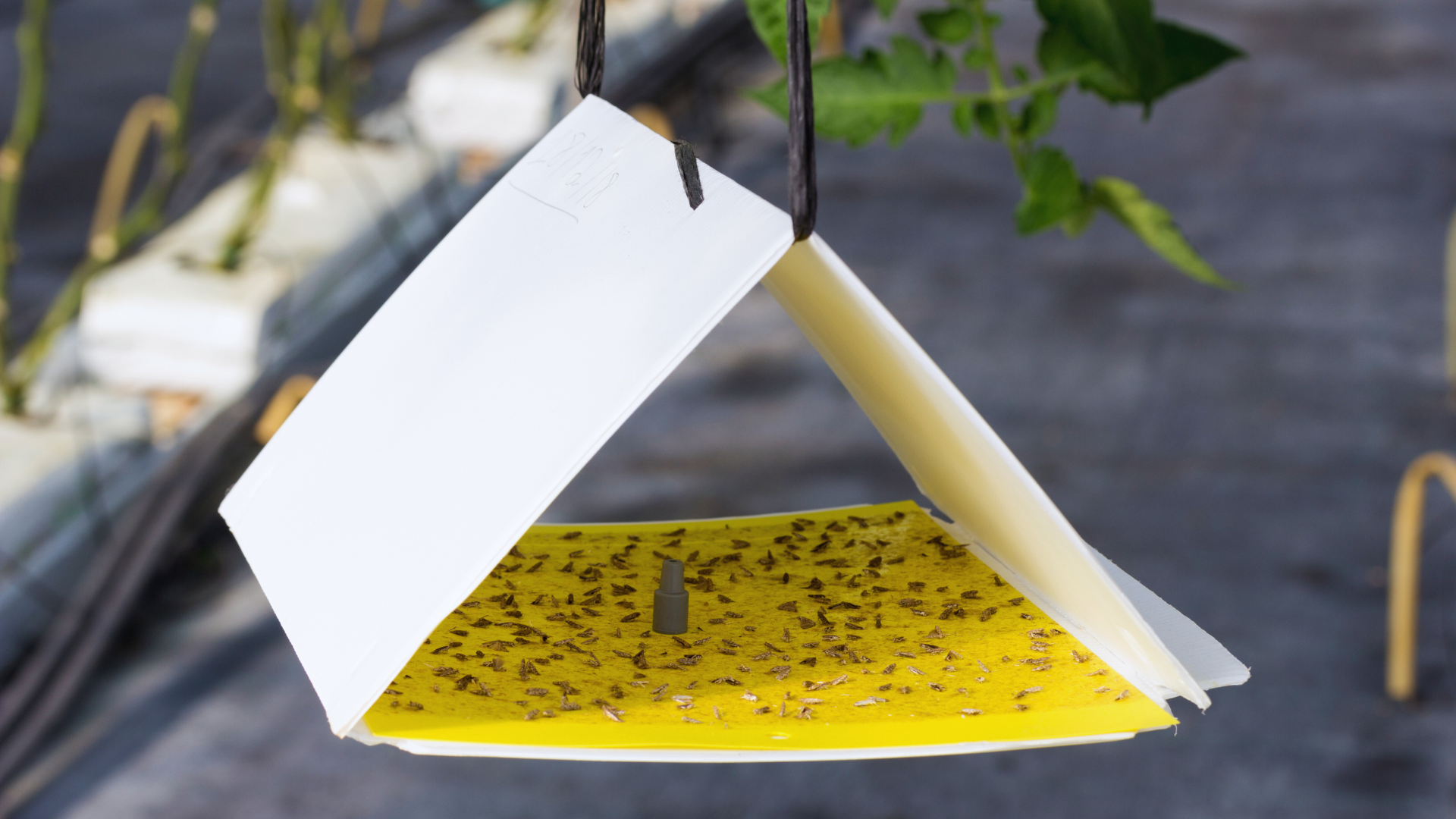
Traps capture pests to reduce their populations or monitor their presence. Different types include pheromone traps, sticky cards, and light traps, each targeting specific insect species such as moths or whiteflies.
Bait stations combine attractants with non-toxic substances to lure pests like ants or rodents. These setups should be placed strategically near pest entry points or high-activity zones. Regular checking and cleaning of traps maintains their efficiency and prevents unintended harm to non-target animals.
Botanical and Organic Pest Deterrents
Natural pest deterrents use specific plants and organic compounds to reduce pest presence safely. These methods target pests through scent, taste, or toxicity while minimizing harm to beneficial insects and the environment. Understanding which plants and oils work best can improve pest management effectively.
Plant-Based Repellents
Certain plants naturally repel pests due to their strong scents or chemical properties. For example, marigolds emit a scent that deters nematodes and aphids. Basil and rosemary repel flies and mosquitoes, making them ideal for garden borders or containers.
Planting these repellents strategically can reduce pest populations without chemical intervention. Intercropping pest-repelling plants with vegetables often protects crops while improving biodiversity. Some plants, like chrysanthemums, contain pyrethrins, natural insecticides safe for humans but toxic to many insects.
Essential Oils for Pest Management
Essential oils extracted from plants provide concentrated pest control. Oils such as peppermint, eucalyptus, and tea tree oil disrupt insect nervous systems and act as repellents. Their volatile nature allows for quick dispersion, making them effective in small quantities.
To use, dilute essential oils with water or carrier oils before application. For example, a mix of 10-20 drops of peppermint oil with water can repel ants and spiders. These oils have the advantage of biodegradability but must be reapplied frequently after rain or watering.
Homemade Organic Sprays
Homemade organic sprays combine natural ingredients to create effective, low-toxicity pest deterrents. Common recipes mix water with substances like garlic, chili pepper, or soap to repel or suffocate pests.
For instance, a garlic spray involves blending cloves in water, straining, and spraying on plants to discourage aphids and beetles. Soap sprays remove protective coatings on insects like aphids and mites, causing dehydration. These mixtures require regular reapplication but are safe for edible plants and pollinators when used correctly.
Biological Control Strategies
Biological control uses living organisms to reduce pest populations effectively and sustainably. This method targets pest species through natural enemies, minimizing chemical use while preserving ecosystem balance.
Beneficial Insects and Predators
Beneficial insects like lady beetles, lacewings, and parasitic wasps attack common pests such as aphids, caterpillars, and whiteflies. Lady beetles consume dozens of aphids daily, making them efficient for quick pest reduction.
Predators also include spiders, predatory mites, and ground beetles. They hunt multiple pest types across various habitats. Introducing these insects to gardens or farms can lower reliance on pesticides.
Using conservation methods—such as planting nectar plants or reducing broad-spectrum insecticides—helps sustain beneficial populations. This approach encourages natural regulation and supports long-term pest control.
Natural Pathogens and Microorganisms
Microbial agents like Bacillus thuringiensis (Bt), entomopathogenic fungi, and nematodes target pests by infecting or parasitizing them. Bt produces toxins harmful to caterpillars and mosquito larvae without affecting other wildlife.
Entomopathogenic fungi, such as Beauveria bassiana, penetrate insect exoskeletons and kill pests rapidly. These fungi work well in humid environments and can control a broad spectrum of insects.
Nematodes infect soil-dwelling pests, including grubs and root weevils. They enter through natural openings and release bacteria that kill the host pest internally. The application requires suitable soil moisture and temperature for effectiveness.
Cultural and Preventive Practices
Maintaining a clean and well-organized living space greatly reduces pest attraction. Proper home care, gardening choices, and waste management create environments that discourage pest infestations.
Sanitation and Home Maintenance
Keeping the home clean is crucial to deter pests like ants, cockroaches, and rodents. Regularly vacuuming, wiping surfaces, and sealing food containers eliminates common food sources. Fixing leaks and reducing moisture prevents pests such as silverfish and termites from thriving.
Seal cracks and gaps around windows, doors, and foundations to block entry points. Use weather stripping and door sweeps to protect against insects and rodents. Regularly clean gutters and remove debris that could harbor pests near the house.
Gardening Techniques for Pest Prevention
Growing pest-resistant plants and encouraging beneficial insects help control pest populations naturally. Crop rotation stops the buildup of pests that target specific plants over time. Companion planting with herbs like basil and marigolds can repel aphids and beetles effectively.
Avoid overwatering and remove diseased or dead plants to prevent fungal growth and pests. Mulching keeps soil healthy, but it should be monitored to avoid creating hiding spots for insects or rodents. Mechanical barriers, such as row covers, protect crops during vulnerable growth stages.
Proper Food and Waste Management
Storing food properly is essential to prevent pests like pantry moths and ants. Use airtight containers for dry goods and refrigerate perishable items promptly. Clean kitchen surfaces after cooking to remove crumbs and spills.
Dispose of garbage regularly and use bins with tight-fitting lids to block access for flies and rodents. Compost organic waste away from the house and monitor it to prevent pest attraction. Organizing and rotating stored food reduces the risk of infestation.
Integrated Pest Management with Natural Methods
Effective pest control requires combining different natural strategies while continuously tracking their impact. This balanced approach helps in reducing pest populations with minimal environmental disruption.
Combining Multiple Natural Approaches
Integrated Pest Management (IPM) combines various natural methods like biological control, habitat manipulation, and the use of resistant plants. For example, releasing beneficial insects such as ladybugs to target aphids works alongside planting pest-resistant varieties.
Cultural practices like crop rotation and proper sanitation prevent pest buildup. Physical barriers and traps complement these by limiting pest access. Each method addresses different pest stages or behaviors, increasing overall control effectiveness.
Using these approaches together reduces reliance on any single method, lowering the chance of pests developing resistance. It also minimizes negative effects on non-target organisms, promoting a healthier ecosystem.
Monitoring and Evaluating Results
Regular pest monitoring is essential to measure the success of natural pest controls. Methods include visual inspections, pheromone traps, and sticky cards positioned strategically around plants.
Data on pest levels and natural enemy populations guide decisions about when to escalate or adjust interventions. This helps avoid unnecessary treatments and ensures timely responses to outbreaks.
Evaluating results makes it possible to adapt strategies over time. Tracking both pest numbers and crop health provides a clear picture of which methods work best under specific conditions, improving long-term pest management outcomes.
Limitations and Considerations of Natural Pest Control
Natural pest control offers eco-friendly alternatives but has specific challenges related to effectiveness and safety. Understanding these factors helps in choosing the right approach and managing expectations.
Challenges and Effectiveness
Natural methods often work more slowly than chemical pesticides, requiring patience and consistent application. They may not eliminate pests entirely, but aim to reduce populations to manageable levels.
Environmental factors can affect results. For example, neem oil’s effectiveness decreases under heavy rain or direct sunlight. Some pests may also develop resistance or avoid natural deterrents.
Natural control often requires specific knowledge. Introducing predatory insects demands understanding their lifecycle and habitat needs. Without proper conditions, these agents may fail to establish or control pests effectively.
Safety and Environmental Impact
Natural options generally pose less risk to humans and pets, but some can still cause irritation or allergic reactions. For example, essential oils must be used carefully, as concentrated forms can be toxic.
Non-target species are affected differently depending on the method. Biological controls are selective, but introducing non-native predators can disrupt local ecosystems.
Natural products typically break down faster, reducing long-term soil and water contamination. However, improper use, like overapplication of plant-based sprays, can still harm beneficial insects and plants.
When to Seek Professional Help
Natural pest control methods are effective in many cases, but certain situations require professional intervention. If pests persist after multiple attempts at DIY treatments, it is time to call an expert.
Large infestations or pests that cause structural damage, such as termites or carpenter ants, need immediate professional attention. They can quickly worsen without specialized treatment.
Consider professional help if you encounter dangerous pests like venomous spiders, wasps, or rodents that may carry diseases. Handling these pests without proper knowledge or equipment poses health and safety risks.
| Signs You Should Call a Professional | Reasons |
| Persistent or worsening infestations | DIY methods not working |
| Structural damage caused by pests | Risk of costly repairs |
| Presence of venomous or disease-carrying pests | Health and safety concerns |
| Allergic reactions or sensitivities | Professional-grade solutions |
Professionals offer targeted treatments and can identify hidden nests or entry points not visible to the untrained eye. They also provide preventative advice to avoid future infestations.
If unsure about the severity of a pest problem, consulting a pest control expert ensures safe and effective management without unnecessary exposure to chemicals or hazards.