Proper waste disposal is essential for maintaining a clean environment and protecting public health. Best practices for responsible waste disposal include sorting recyclables, safely handling hazardous materials, and reducing overall waste production. Following these steps minimizes pollution and conserves natural resources.
Many communities offer specific guidelines and services to support effective waste management. Understanding these local rules and making informed decisions can greatly improve the impact of your disposal efforts. Paying attention to detail, such as using designated bins and avoiding contamination, is critical.
Adopting responsible disposal habits is not only a personal benefit but also a shared responsibility. When everyone follows best practices, communities experience cleaner spaces and fewer environmental problems. This article will outline practical actions you can take today to contribute positively.
Understanding Responsible Waste Disposal
Responsible waste disposal involves proper handling and processing of waste to reduce harm to the environment, economy, and society. It requires awareness of its definition, significance, and the broader effects on natural resources and communities.
Definition and Importance
Responsible waste disposal is the systematic process of managing waste from its generation to final treatment or disposal. It emphasizes reducing waste volume, reusing materials, and recycling to minimize landfill use. This approach helps prevent pollution and conserves resources.
Proper disposal ensures hazardous substances do not contaminate soil, water, or air. It also supports public health by reducing exposure to harmful waste. Adopting responsible methods encourages sustainable habits that extend beyond waste management to how products are consumed and discarded.
Environmental Impact
Waste improperly managed can cause significant environmental damage. Landfills produce methane, a potent greenhouse gas contributing to climate change. Improper dumping leads to soil and water contamination by chemicals and heavy metals.
Responsible disposal reduces landfill use, lowering methane emissions. Recycling conserves raw materials and energy by decreasing the need for new resource extraction. Composting organic waste improves soil health and reduces landfill volume.
Environmental benefits include:
- Reduced greenhouse gas emissions
- Preserved natural habitats
- Lower water pollution risks
Economic and Social Benefits
Effective waste disposal saves money by reducing landfill costs and recovering valuable materials through recycling. It creates jobs in collection, sorting, and recycling industries, stimulating local economies.
Socially, clean environments improve public health and quality of life. Communities with well-managed waste systems experience fewer pest-related diseases and reduced pollution-related illnesses. Public awareness and participation in waste programs foster community responsibility and cooperation.
Key economic and social impacts:
| Benefit | Description |
| Cost Savings | Lower landfill and cleanup expenses |
| Job Creation | Employment in recycling and waste services |
| Health Improvement | Fewer pollution-related diseases |
| Community Engagement | Increased public involvement in sustainability |
Types of Waste and Their Proper Segregation
Waste comes in various forms, each requiring specific handling to reduce environmental impact and promote recycling. Proper sorting ensures materials are treated or disposed of correctly, preventing contamination and hazards.
Household Waste Categories
Household waste typically includes organic matter, recyclables, and general trash. Organic waste, such as food scraps and garden clippings, should be composted or placed in bio-waste bins to reduce landfill volume.
Recyclables cover paper, cardboard, plastics marked with recycling codes, glass, and metals. These must be cleaned and sorted to avoid contamination of recyclable streams. Improperly disposed of items reduce recycling efficiency and can cause entire batches to be discarded.
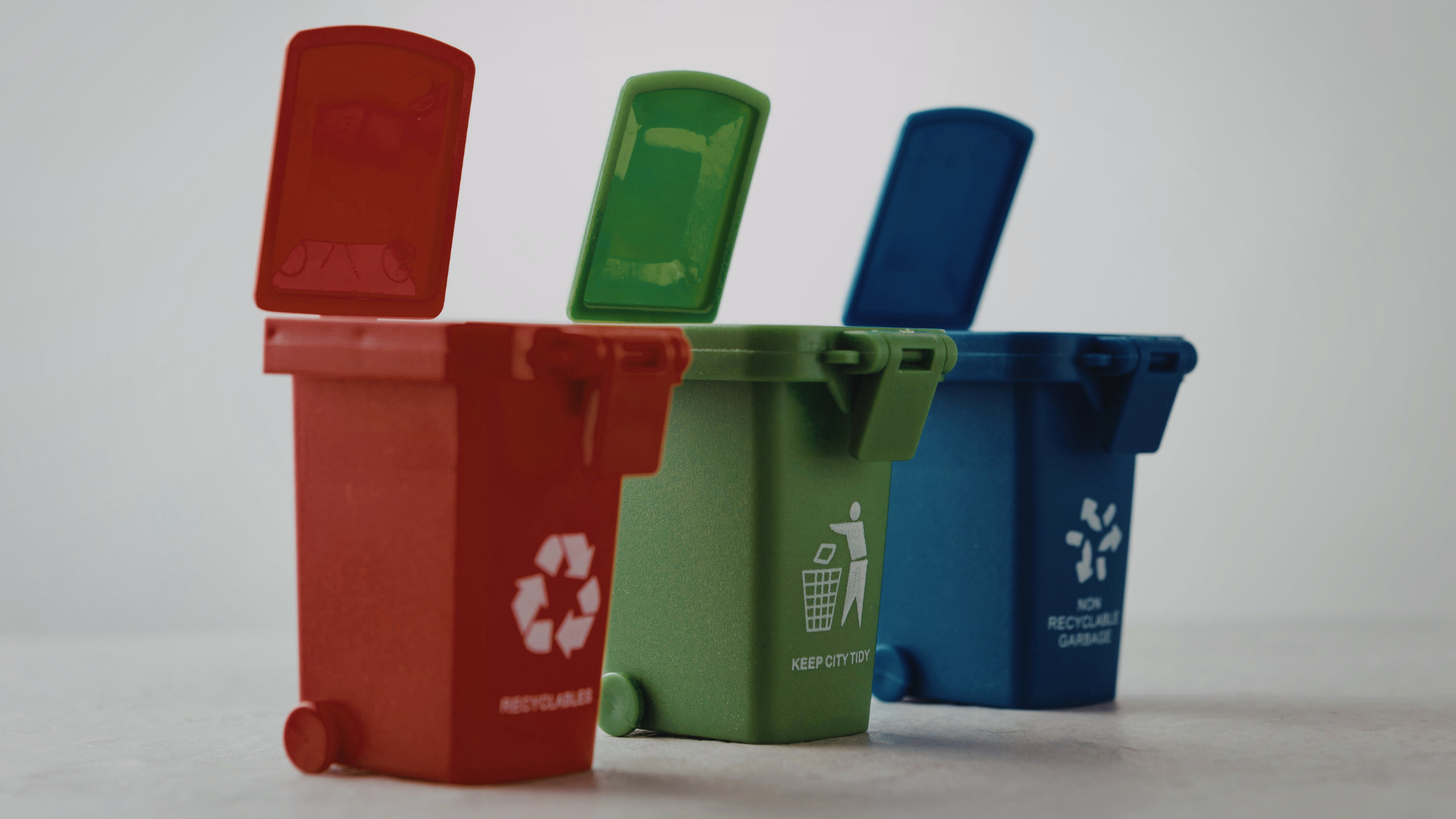
Non-recyclable or residual waste includes contaminated or mixed materials like soiled packaging and certain plastics. These should be placed carefully into general waste containers. Clearly labeled bins help households separate waste correctly.
Commercial and Industrial Waste Streams
Commercial and industrial waste varies by sector but generally includes packaging, manufacturing byproducts, and office waste. Segregation at the source is essential, separating recyclable materials such as metals, plastics, paper, and wood from hazardous and organic waste.
Many industries produce large volumes of specific waste. For example, food processing facilities generate organic waste, requiring composting or biotreatment. Construction and demolition sites produce rubble and timber that need dedicated sorting for recycling or disposal.
Proper segregation reduces disposal costs, improves recycling rates, and prevents environmental hazards. Businesses are often subject to regulations mandating waste separation and reporting.
Hazardous Waste Identification
Hazardous waste includes materials that pose risks to human health or the environment due to toxicity, flammability, corrosiveness, or reactivity. Common examples are batteries, paint, solvents, pesticides, and electronic waste.
Proper identification requires checking labels and safety data sheets. Hazardous waste must be stored separately in secure containers and handled by certified disposal services to prevent leaks or contamination.
Mixing hazardous waste with regular trash can cause fires, toxic exposure, or pollution. Many jurisdictions have laws requiring specific segregation, labeling, and disposal protocols for these dangerous materials.
Best Practices for Reducing Waste at Source
Reducing waste at its origin involves deliberate choices in daily habits and procurement. Focusing on cutting excess, choosing lasting goods, and avoiding disposables can significantly limit how much waste is created.
Waste Minimization Strategies
Waste minimization begins with assessing the items you use most and the packaging that accompanies them. Opt for bulk buying to cut down on excess packaging and select reusable containers where possible. Planning meals reduces food waste by preventing over-purchasing and spoilage.
Implementing a “use it up” approach encourages fully consuming products before replacing them. Repairing damaged items instead of discarding them extends their lifespan. Also, organize storage to avoid duplicate purchases caused by forgetting what you already own.
Sustainable Purchasing Decisions
Prioritize products with minimal or recyclable packaging. Look for certifications like FSC for paper goods or ENERGY STAR for electronics to choose items with lower environmental impact.
Invest in durable goods rather than cheap, disposable alternatives. Clothing, tools, and appliances that last reduce the frequency of replacement and waste generation. Consider second-hand options when quality is assured, which further reduces resource consumption.
Support companies committed to sustainability by researching brand policies. This encourages manufacturers to improve product design and packaging toward environmental responsibility.
Reducing Single-Use Products
Single-use items like plastic cutlery, straws, and bags contribute heavily to waste streams. Replace these with reusable alternatives such as metal straws, cloth bags, and washable utensils.
Carry a personal set of reusable items when leaving home to avoid reliance on disposables. When disposables are necessary, select biodegradable or compostable options certified by recognized standards.
Encourage businesses to minimize single-use products by providing incentives or requesting refill stations. Small behavioral changes can reduce significant waste generated from daily convenience items.
Key takeaway checklist:
| Action | Benefit |
| Buy in bulk | Less packaging waste |
| Repair instead of replace | Extends product life |
| Choose certified sustainable goods | Lower environmental impact |
| Use reusable personal items | Cuts disposable waste |
| Opt for biodegradable disposables | Reduces landfill volume |
Effective Waste Segregation Methods
Proper waste segregation starts with clear identification and separation to enhance recycling and reduce contamination. Managing organic waste separately and ensuring safe temporary storage also play critical roles in efficient waste handling.
Labeling and Color Coding
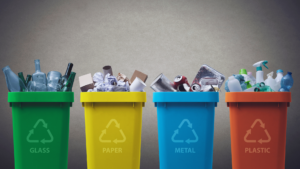
Clear labeling and color coding systems help sort waste quickly and accurately. Use standardized colors such as:
- Green: Organic waste
- Blue: Recyclable materials like paper and plastic
- Red: Hazardous waste
- Black: General waste or landfill items
Labels should be bold and easy to read, indicating the type of waste and disposal instructions. This helps households and businesses avoid mixing materials, improving recycling quality.
Regularly check labels for wear and update if guidelines change. Consistent color coding across facilities simplifies training and reduces errors in waste handling.
Composting Organic Materials
Separating organic waste from other materials reduces landfill volume and produces useful compost. Collect food scraps, garden waste, and other biodegradable materials in designated bins without plastics or metals.
Maintain moisture and aeration in compost bins to speed up decomposition. Avoid adding meat or dairy, which attract pests and slow the process.
Homeowners can use compost for gardening, while municipalities may process large amounts in industrial composting facilities. This method lowers methane emissions and enriches the soil.
Safe Storage and Collection
Store segregated waste in containers that prevent leakage and pest access. Use bins with tight-fitting lids and ensure they are durable and easy to clean.
Place containers in sheltered, accessible areas, keeping hazardous waste separate and labeled clearly for specialized collection.
Schedule regular waste pickups to avoid overflow and contamination. Train staff or residents on handling protocols to maintain hygiene and safety during storage and transport.
Safe Handling and Disposal of Hazardous Waste
Handling hazardous waste requires careful recognition, protective steps, and strict disposal methods to prevent harm to people and the environment. Knowing what qualifies as hazardous, how to protect yourself, and where to take these materials is essential for compliance and safety.
Identifying Hazardous Materials
Hazardous materials are substances that pose risks due to their flammability, toxicity, reactivity, or corrosiveness. Examples include chemicals like paints, solvents, batteries, pesticides, and certain cleaning agents.
Look for labels with words such as “flammable,” “corrosive,” or “toxic.” Material Safety Data Sheets (MSDS) provide detailed hazard information for commercial products. Items like expired medications, fluorescent bulbs, and automotive fluids often qualify as hazardous waste.
Proper identification prevents accidental exposure and ensures the waste is handled according to regulatory standards.
Personal Protective Measures
Contact with hazardous waste requires protective gear to reduce risk. Use gloves made of nitrile or latex to avoid skin irritation or absorption of chemicals. Safety goggles protect eyes from splashes.
Long sleeves and pants minimize skin exposure. In some cases, respiratory masks are necessary to avoid inhaling fumes or dust.
Always wash your hands thoroughly after handling hazardous materials. Never eat or drink in areas where these wastes are stored or processed.
Proper Disposal Procedures
Do not dispose of hazardous waste in regular trash or drains. Instead, take them to certified hazardous waste collection centers or designated drop-off events.
Store hazardous waste in clearly labeled, durable containers. Make sure containers are sealed tightly and kept in a ventilated area away from direct sunlight or heat sources.
Follow local regulations for transportation. Many communities have specific guidelines on how to package and transport hazardous waste safely. Non-compliance can result in fines and environmental damage.
Recycling and Reuse Initiatives
Effective waste management relies on organized systems that separate materials, extend product life through reuse, and involve community participation to improve recycling rates.
Setting Up Recycling Systems
Establish designated bins for paper, plastics, metals, and glass in both residential and commercial spaces. Clearly label containers to avoid contamination, as improper sorting reduces recycling efficiency.
Place bins in high-traffic areas to encourage use. Regularly monitor and empty them to maintain cleanliness and prevent overflow.
Implement a schedule for pick-ups with local waste management services. This ensures recyclables reach appropriate facilities promptly, reducing landfill waste.
Reusing Everyday Items
Extend the life of products by finding new uses for items before discarding them. For example, glass jars can serve as storage containers, and old clothing can be turned into cleaning cloths.
Repair broken items when possible instead of replacing them. Small fixes can delay disposal and reduce demand for new products.
Prioritize purchasing durable, multi-use goods to minimize waste. Reuse reduces resource consumption and lowers the environmental impact associated with manufacturing.
Community Recycling Programs
Participate in or organize local recycling drives to increase collection rates. These events often focus on hard-to-recycle items like electronics or batteries.
Collaborate with schools and businesses to spread awareness and encourage proper recycling habits. Educational campaigns help improve community compliance.
Leverage partnerships with waste companies to provide tools and resources, such as bins or transport options, making recycling more accessible for residents.
Compliance With Local Waste Disposal Regulations
Adhering to waste disposal rules involves knowing legal obligations, choosing authorized waste handlers, and understanding consequences for violations. These elements ensure safe and lawful disposal while preventing environmental harm or legal trouble.
Understanding Legal Requirements
Local governments set specific rules for disposing of different waste types, including hazardous, recyclable, and organic waste. Businesses and residents must familiarize themselves with zoning laws, collection schedules, and required permits. Failure to separate waste correctly or to follow disposal methods prescribed by local agencies can result in fines or legal actions.
Consult municipal websites or contact environmental departments to obtain clear guidelines. Documentation such as manifests for hazardous waste tracking may also be mandatory.
Working With Certified Waste Haulers
Using certified waste haulers ensures proper handling and transport of waste according to regulations. These providers are licensed and inspected by local or state authorities, confirming their compliance with safety and environmental standards.
Before hiring, verify credentials like licenses and insurance. Certified haulers maintain records for waste pickup, disposal sites, and recycling, which is crucial for audit purposes and regulatory reporting.
Penalties for Non-Compliance
Ignoring waste disposal regulations can lead to penalties ranging from monetary fines to operational shutdowns. For example, improper disposal of hazardous materials may incur fines up to several thousand dollars per violation. Repeat offenses often increase fines and can involve criminal charges.
Penalties may also include cleanup costs, legal fees, and damage to reputation. Understanding and avoiding these sanctions requires rigorously following all disposal laws and working with compliant partners.
Role of Education and Awareness
Education and awareness foster better habits and systemic understanding necessary for responsible waste disposal. They equip individuals and groups with practical skills, motivate sustainable actions, and encourage community involvement.
Training for Individuals and Organizations
Training programs provide specific knowledge about waste sorting, reduction techniques, and legal compliance. For individuals, this means learning how to segregate recyclables, compost organic waste, and dispose of hazardous materials properly.
Organizations benefit through workshops that emphasize waste audit processes, sustainable procurement practices, and employee engagement strategies. Well-structured training promotes consistency in waste management and reduces contamination in recycling streams. Providing manuals, visual guides, and hands-on workshops ensures the training is actionable.
Educational Campaigns
Educational campaigns clarify waste disposal rules and underline the impact of improper practices. These campaigns use varied media such as social media posts, posters, and community events to reach diverse audiences.
Key messages include reducing single-use plastics, understanding local recycling policies, and adopting zero-waste habits. Regular updates and clear visuals enhance retention. Campaigns often partner with local governments and NGOs to increase reach and credibility.
Involving Community Stakeholders
Engaging community stakeholders builds shared responsibility and local solutions. This includes residents, schools, businesses, and municipal authorities working in coordination.
Stakeholder meetings can identify problem areas and implement tailored programs. Community clean-up drives, waste reduction challenges, and incentive schemes encourage active participation. Transparent communication and feedback loops maintain momentum and adapt efforts to community needs.
Innovative Technologies in Waste Management
Recent developments in waste management focus on efficiency and environmental impact reduction. These technologies improve collection routes and increase recycling rates through more precise processing methods.
Smart Waste Collection Systems
Smart waste collection uses sensors and IoT devices to monitor fill levels in bins. This data allows dynamic routing for collection trucks, reducing fuel consumption and traffic congestion.
Features include:
- Real-time bin status updates
- Automated alerts for pickup needs
- Optimized vehicle routes based on bin fullness
Cities implementing these systems have reported up to 30% reductions in operational costs. Additionally, these systems improve waste pickup reliability and decrease overflow issues, enhancing sanitation in urban areas.
Advanced Recycling Methods
Modern recycling employs techniques like optical sorting and chemical recycling to process materials more efficiently. Optical sorters use cameras and lasers to separate plastics, metals, and paper with higher accuracy.
Chemical recycling breaks down plastics into their basic components. This process allows recycling of materials not suitable for mechanical recycling, expanding recyclable waste types.
Key advantages:
- Higher purity of sorted recyclables
- Ability to recycle mixed or contaminated materials
- Reduction of landfill waste through enhanced material recovery
These methods contribute to a circular economy by extending product lifespans and reducing raw material extraction.
Conclusion
Responsible waste disposal is essential for protecting the environment and public health. Following best practices minimizes pollution and conserves natural resources. Every individual and organization plays a role in managing waste effectively.
Key actions include:
- Separating recyclables from general waste
- Disposing of hazardous materials properly
- Reducing overall waste production
Adopting these practices often results in long-term benefits such as lower disposal costs and reduced environmental impact. Governments and communities should support education and infrastructure to facilitate responsible disposal.
The following table highlights important elements in waste disposal:
| Practice | Description | Benefit |
| Recycling | Sorting and processing materials | Less landfill waste |
| Composting | Organic waste breakdown | Soil enrichment |
| Hazardous waste care | Safe handling of dangerous items | Prevents contamination |
Consistency is vital. Small actions repeated over time create lasting changes. Waste disposal is not just a requirement but an opportunity to maintain a cleaner, healthier environment for future generations.