Reducing waste in your daily lunch routine is simpler than you might think. Best low-waste lunch ideas for work focus on reusable containers, minimal packaging, and ingredients that generate little to no trash. These choices not only help the environment but can also save money and time.
Choosing meals that cook once and pack easily makes waste reduction practical for busy workdays. Simple swaps like cloth napkins, beeswax wraps, and bulk-bought snacks reduce single-use plastics effectively. This approach ensures your lunches are both sustainable and convenient.
Core Principles of Low-Waste Lunches
Reducing waste in your lunch starts with smart choices about packaging, portion sizes, and ingredient selection. Using reusable materials, controlling meal amounts, and selecting fresh, local foods all contribute to minimizing environmental impact and food waste.
Choosing Sustainable Packaging
Select containers made from durable, reusable materials like stainless steel, glass, or BPA-free silicone. These options avoid single-use plastics and last for years. Consider leak-proof designs and stackable shapes for convenience.
Avoid disposable bags, cling wrap, and plastic utensils. Instead, use cloth napkins and metal or bamboo cutlery to cut down on waste. Label and organize containers to prevent confusion and unnecessary replacements.
Carrying a reusable water bottle reduces waste from disposable cups or plastic bottles. Invest in insulated bottles to keep drinks hot or cold throughout the day.
Portion Planning to Minimize Waste
Estimate your typical appetite to avoid cooking or packing too much food. Excess portions often lead to uneaten leftovers that end up in the trash. Break meals into balanced portions of protein, carbs, and vegetables to satisfy hunger without overfilling.
Use smaller containers to limit portion size naturally. When possible, save extra food for another meal instead of tossing it.
Tracking what you typically waste can help refine future meal planning. Aim to pack just enough so you finish your lunch completely every time.
Opting for Local and Seasonal Ingredients
Choosing local produce reduces packaging and transportation emissions. Seasonal fruits and vegetables tend to be fresher, cheaper, and require less preservation.
Visit farmers’ markets or join a community-supported agriculture (CSA) program to source ingredients directly. Local dairy, bread, and meat options also often come with less plastic waste.
Focus on whole foods like leafy greens, root vegetables, and fresh fruits that don’t need excess wrapping. Keeping meals simple supports sustainability and freshness.
Easy Low-Waste Lunch Ideas for Work
Using whole ingredients and rethinking leftovers can drastically reduce packaging waste and food scraps. Preparing meals that travel well and store efficiently makes it easier to stick with a low-waste routine daily.
Plant-Based Lunch Bowls
Plant-based bowls combine vegetables, grains, and proteins in reusable containers. These meals are easy to customize with seasonal ingredients like roasted sweet potatoes, kale, chickpeas, and quinoa. Using fresh produce minimizes the need for pre-packaged items.
Add dressings or sauces in small reusable jars to avoid single-use packets. Incorporating nuts or seeds adds crunch and nutrition without extra wrapping. This approach reduces disposable containers and promotes healthier eating.
Make-Ahead Grain Salads
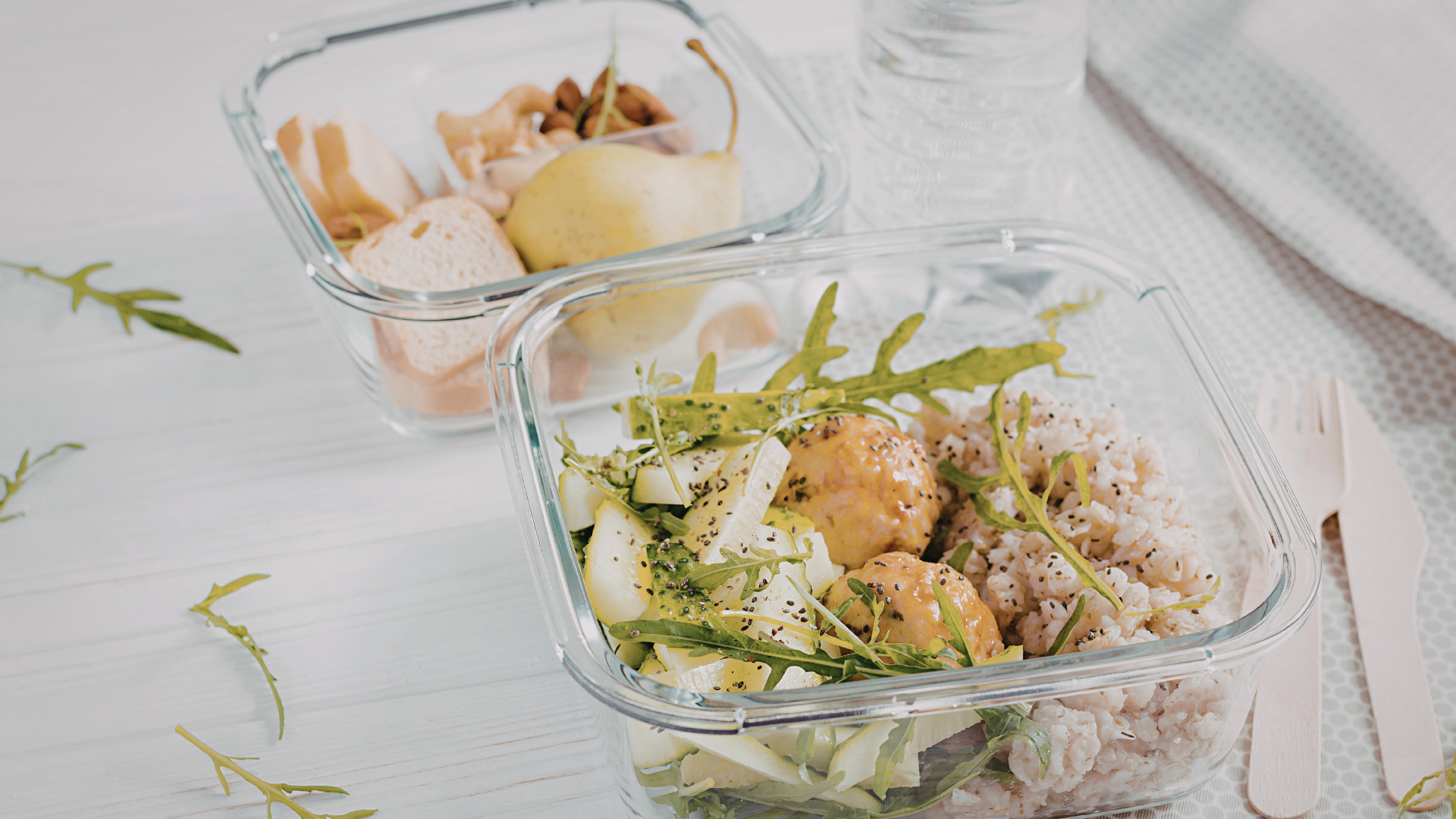
Grain salads prepared in advance save time and lower waste by repurposing bulk ingredients. Cooked brown rice, farro, or barley serves as a base with diced vegetables, herbs, and beans mixed in. Store them in glass containers to keep meals fresh.
Make larger portions to eat over several days, cutting down on daily prep and packaging. Including lemon juice or olive oil-based dressings keeps salads vibrant without plastic-laden dressings. These meals hold up well even without refrigeration for short periods.
Leftovers-Inspired Meals
Transforming dinner leftovers into next-day lunches reduces food waste and packaging. For example, roasted vegetables and grilled chicken can become a wrap or salad the next day. Repurposing sauces and sides avoids buying prepackaged lunch items.
Use beeswax wraps or reusable containers to transport these meals. Label leftovers with the date to keep track of freshness and prevent spoilage. This method also saves money by maximizing the use of all cooked food.
Zero Waste Lunch Packing Tips
Choosing the right containers and utensils can significantly cut down waste. Preparing snacks at home helps avoid disposable packaging while offering control over ingredients and portion sizes.
Reusable Containers and Utensils
Glass or stainless steel containers are durable and non-toxic options for packing meals. They protect food better than plastic and are less likely to retain odors or stains. Look for leakproof lids to prevent spills, especially with sauces or dressings.
Silicone bags serve as an alternative to single-use plastic bags and are freezer-safe. They come in various sizes and are easy to clean.
For utensils, invest in a compact set made of bamboo or stainless steel. Many sets come with a carrying case, making them easy to bring to work. Avoid plastic cutlery, which adds to landfill waste.
Homemade Snack Alternatives
Preparing snacks at home reduces packaging waste and controls ingredients. For example, roasting your own nuts or making granola bars cuts out snack bags.
Wrap sandwiches in beeswax wraps or reusable sandwich bags instead of cling film. These wraps can be rinsed and reused multiple times.
Cut fresh fruits and veggies into portions and store them in small containers or silicone bags. This method minimizes plastic use and prevents overbuying single-serve packaged snacks.
Meal Prep Strategies for Reducing Waste
Efficient meal prep relies on planning techniques that minimize food waste and maximize ingredient use. Proper cooking methods and thoughtful ingredient management help maintain freshness and reduce spoilage.
Batch Cooking Techniques
Batch cooking involves preparing large portions of meals or meal components at once. This strategy ensures consistent use of ingredients and reduces the chance of unused items spoiling. Cooking grains, proteins, and vegetables in bulk allows for easy portioning across multiple lunches.
Freezing individual portions can extend the life of meals without compromising quality. Use airtight containers or reusable silicone bags to maintain freshness. Labeling containers with dates helps track usage and avoid forgotten food.
Varying recipes with shared base ingredients also limits waste. For example, roasted vegetables can be added to salads, wraps, or grain bowls throughout the week.
Smart Shopping and Storage
Planning grocery trips with a detailed list helps avoid impulse buys that can lead to waste. Focus on buying only the needed quantities of perishable items to match meal prep portions.
Using clear, stackable containers improves visibility in the fridge, preventing forgotten produce. Store herbs wrapped in damp paper towels and vegetables in breathable bags to extend shelf life.
Organizing fridge shelves by expiration dates encourages rotating food from oldest to newest. Regularly checking stock allows the timely use of ingredients before they spoil, cutting down on unnecessary trash.
Low-Waste Lunch Recipes for Different Diets
Choosing recipes that suit specific dietary needs helps maintain a low-waste kitchen while ensuring nutritional balance. Using whole ingredients, minimizing packaging, and repurposing scraps are key strategies.
Vegetarian and Vegan Options
Focus on plant-based meals using seasonal vegetables and bulk grains like quinoa or brown rice. A simple recipe is a chickpea salad with diced cucumbers, tomatoes, and a lemon-tahini dressing. Use glass containers to store leftovers and buy legumes in bulk to reduce packaging waste.
Incorporate versatile ingredients like kale, sweet potatoes, and lentils. These produce minimal waste when you use stems and leaves in soups or smoothies. Avoid single-use plastics by preparing meals in reusable beeswax wraps or silicone bags.
Gluten-Free Low-Waste Lunches
Gluten-free choices include rice paper wraps filled with shredded vegetables, herbs, and grilled chicken or tofu. Preparing your own gluten-free flatbreads using almond or oat flour cuts down on plastic packaging.
Use fresh, unpackaged produce and cook in batches to limit waste from meal prep. Save vegetable peels and scraps for broths to maximize ingredient use. Choose reusable containers made from stainless steel or glass for transport instead of disposable bags.
Sourcing and Storing Low-Waste Ingredients
Choosing low-waste ingredients begins with smart sourcing and careful storage. Efficiently purchasing and keeping food fresh reduces packaging waste and food spoilage.
Bulk Shopping for Staples
Buying staples like rice, beans, nuts, and grains in bulk cuts down on single-use packaging. Bring your own reusable containers or cloth bags to fill from bulk bins. This approach also lets you buy only what you need, preventing excess food waste.
Check labels to ensure products are unpackaged or come in recyclable options. Store bulk items in airtight glass jars or BPA-free containers to maintain freshness and avoid plastic wrap. Label containers with purchase dates to track shelf life.
Utilizing Farmers Markets
Farmers’ markets offer fresh, seasonal produce often sold with minimal or no packaging. Bring your own mesh or cotton produce bags for fruits and vegetables. This reduces reliance on plastic bags.
Farmers’ markets also provide a chance to ask vendors directly about their growing and packaging practices. Buying local reduces transportation emissions and supports community agriculture. Store fresh produce properly—leafy greens wrapped in damp towels inside sealed containers stay crisp longer.
Common Challenges and Practical Solutions
Low-waste lunch preparation for work often encounters practical obstacles, mainly related to limited kitchen access and tight schedules. Identifying straightforward fixes can help maintain sustainability without added stress.
Addressing Limited Kitchen Access
Many workplaces lack convenient kitchen facilities, making it difficult to prepare or heat meals. To overcome this, focus on meals that don’t require reheating, such as salads, wraps, and grain bowls.
Invest in insulated containers to keep food fresh and safe without refrigeration for several hours. Cold packs can extend freshness if refrigeration isn’t available.
Consider portable utensils and reusable packaging that are easy to clean at the office, like beeswax wraps or silicone containers. This reduces single-use waste and adapts to limited cleaning resources.
Managing Time Constraints
Busy schedules can limit time to prepare low-waste lunches in the morning. Batch cooking on weekends or evenings can save time during the week.
Make a simple menu of versatile ingredients that can be mixed and matched, such as roasted vegetables, grains, and proteins. This reduces prep complexity.
Use quick-assembly foods like pre-washed greens, canned beans, or cut fruits. This approach minimizes daily meal prep without compromising on waste reduction.
| Time-saving Tips | Description |
| Batch cook | Prepare and store food in advance |
| Use versatile ingredients | Mix ingredients for variety |
| Quick-assembly foods | Ready-to-eat components |