Water-saving devices are essential tools for reducing water consumption in homes without sacrificing comfort or convenience. The best water-saving devices include low-flow showerheads, faucet aerators, dual-flush toilets, and smart irrigation systems, all designed to minimize water waste effectively.
Installing these devices can lead to noticeable savings on water bills while contributing to environmental conservation. Understanding which products offer genuine efficiency helps homeowners make informed choices that balance cost, performance, and sustainability.
This guide explores practical options that are widely accessible and proven to work in typical household settings. Each device targets different water usage points, ensuring a comprehensive approach to reducing water waste.
Understanding Water Conservation in Homes
Water conservation focuses on using water efficiently to reduce waste and protect resources. It involves recognizing where water is commonly lost and the tangible benefits of conserving it with the right devices.
Importance of Reducing Household Water Use
Household water use accounts for a significant portion of total freshwater consumption. Many homes use between 50 to 100 gallons of water daily, much of which can be saved with simple measures. Reducing water use helps ensure that local water supplies remain adequate, especially in areas prone to drought.
Cutting back on water consumption also prevents strain on wastewater systems and reduces the energy needed to pump, heat, and treat water. This adds up to long-term savings and less environmental damage.
Common Sources of Water Waste
Leaks are a major source of wasted water in homes, with small drips adding up to hundreds of gallons per year. Old toilets, faucets, and inefficient appliances like traditional washing machines also contribute significantly to excess use.
Other common waste points include overwatering lawns, leaving taps running during tasks, and using inefficient showerheads. Identifying these areas helps target improvements effectively.
| Water Waste Source | Average Loss per Day |
| Leaky faucets | 3-20 gallons |
| Running toilets | 30-200 gallons |
| Inefficient appliances | 10-40 gallons per wash cycle |
| Excessive lawn watering | Variable, up to 50 gallons per day |
Environmental and Financial Benefits of Water Saving Devices
Water-saving devices reduce household consumption, directly impacting utility bills. For example, low-flow showerheads and faucet aerators can cut water use by up to 50%, lowering monthly costs. Efficient toilets use less water per flush, saving thousands of gallons yearly.
Environmentally, less water use means reduced energy consumption and lower greenhouse gas emissions. Conserved water supports local ecosystems and helps maintain water quality by decreasing demand on treatment plants. Installing these devices is a cost-effective way to create lasting benefits.
Top Water Saving Devices for Bathrooms
Water-saving devices for bathrooms focus on reducing water use without sacrificing performance. These products lower consumption in toilets, showers, and faucets through improved technology and design. Savings can be immediate and measurable with proper installation.
High-Efficiency Toilets
High-efficiency toilets use significantly less water per flush than traditional models, typically 1.28 gallons or less compared to standard 1.6 gallons. Dual-flush options offer two flush choices, one for liquid waste and one for solid waste, further optimizing water use.
These toilets maintain flushing power through improved bowl and trapway design, preventing clogs while conserving water. Installation requires checking compatibility with existing plumbing to avoid issues. Many models meet EPA WaterSense criteria, qualifying for local rebates and incentives.
Low-Flow Showerheads
Low-flow showerheads restrict water flow to about 2.0 gallons per minute (gpm) or less, down from standard 2.5 gpm or more. They use air injection or smaller nozzles to maintain pressure, providing a comfortable shower while cutting water use.
Options include fixed, handheld, and multi-function models with adjustable spray patterns. Some feature pause buttons to reduce flow temporarily during lathering. These showerheads can lower water bills and reduce energy use as less hot water is needed.
Faucet Aerators
Faucet aerators mix air into water streams, reducing flow generally to around 0.5 to 1.5 gallons per minute without affecting performance. They install easily on most bathroom faucets and are cost-effective.
They help avoid wasted water from running taps during hand washing or brushing teeth. Aerators come in various flow rate options and styles to fit different faucets. Replacing older, inefficient aerators can significantly decrease water usage in sinks.
Innovative Kitchen Water Saving Solutions
Reducing water use in the kitchen requires targeted devices that optimize flow and efficiency. Key options include faucets that limit water output, dishwashers designed for minimal consumption, and attachments that control water during tasks like rinsing.
Low-Flow Kitchen Faucets
Low-flow kitchen faucets restrict water flow to between 1.5 to 2.2 gallons per minute, compared to standard faucets that can exceed 2.5 gallons per minute. This reduction lowers water use without sacrificing pressure, maintaining an effective stream for washing and rinsing.
Many models come with aerators that introduce air into the water stream, which helps maintain force while cutting down actual water volume. Some also feature motion sensors or touchless activation, further minimizing waste by turning off automatically when the sink is not in use.
Installation is straightforward, often requiring only basic tools and minimal plumbing knowledge. These faucets are compatible with most kitchen sinks, making them a practical, immediate step toward water conservation.
Efficient Dishwashers
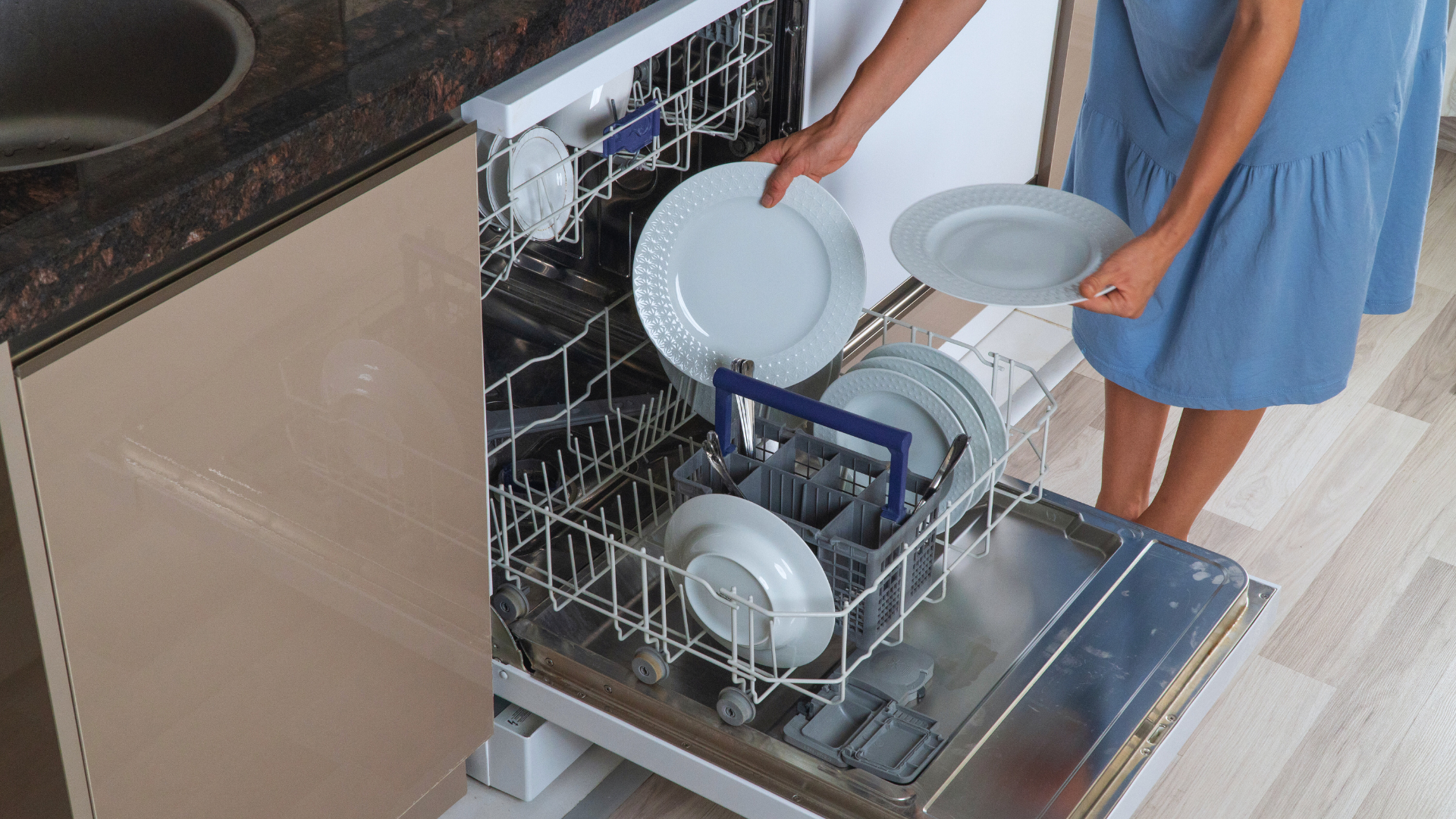
Modern dishwashers use significantly less water per cycle compared to hand washing. High-efficiency models consume around 3 gallons of water per cycle, while older machines or hand washing can use 15 gallons or more.
Look for Energy Star-rated dishwashers, as they combine water efficiency with energy savings. Features like soil sensors adjust water use based on dirt levels, avoiding unnecessary consumption.
Selecting shorter wash cycles for lightly soiled dishes and running full loads maximizes water efficiency. Many units offer eco-friendly cycle options, which prioritize reduced water intake over cleaning speed.
Water-Saving Sink Attachments
Sink attachments such as spray nozzles, aerators, and flow restrictors reduce water volume while maintaining useful pressure for rinsing and cleaning. These devices are generally inexpensive and easy to swap in.
Spray nozzles with multiple settings enable users to switch between concentrated sprays and wider flows, allowing control over water use during different kitchen tasks. Aerators mix air with water, reducing flow by up to 30 percent without lowering effectiveness.
Some attachments also include timers or automatic shut-off features to prevent long, unintended runs. Upgrading sink fittings with these attachments provides a simple yet effective method to cut water waste without altering usage habits.
Smart Water Monitoring Systems
Modern water monitoring systems offer precise control over home water usage. They combine technology and real-time data to identify issues and track consumption efficiently.
Leak Detection Devices
Leak detection devices use sensors placed at critical points like pipes, water heaters, and appliances. They immediately alert homeowners to unusual moisture or water flow, helping to prevent costly damage.
Many systems connect to mobile apps, allowing remote monitoring and quick action. Some advanced models can automatically shut off the water supply when a leak is detected.
Installation varies by product but often requires minimal effort. Regular maintenance ensures sensors remain accurate and responsive.
Whole-Home Water Use Trackers
Whole-home water use trackers attach to the main water line to measure overall consumption. They provide detailed data on usage patterns throughout the day.
Users can view reports showing how much water specific activities or appliances consume. This insight helps identify waste and adjust habits to save water.
Some trackers integrate with smart home systems. They can send alerts if unusual spikes occur, signaling leaks or overuse without manual checks.
Garden and Outdoor Water Conservation Devices
Using specific tools for outdoor water management can significantly reduce water waste in gardens and yards. These devices help collect, control, and distribute water efficiently, optimizing usage without compromising plant health.
Rain Barrels
Rain barrels collect and store rainwater from rooftops via downspouts. This water can then be used for watering gardens, lawns, or outdoor plants, cutting down on reliance on municipal water supplies.
Most rain barrels range from 30 to 60 gallons in capacity. They come with features like overflow spouts to divert excess water and mesh screens to filter debris and insects. Installing multiple barrels can increase storage capacity, particularly in areas with frequent rainfall.
Regular maintenance is important. Cleaning the barrel and screens prevents blockages and mosquito breeding.
Smart Irrigation Controllers
Smart irrigation controllers automatically adjust watering schedules based on weather data, soil moisture, and plant needs. This reduces overwatering, evaporation, and runoff.
These devices connect to Wi-Fi or cellular networks, pulling data from local weather stations or soil sensors. They can be programmed via smartphone apps, allowing easy monitoring and adjustments.
Key benefits include:
- Tailored watering cycles
- Remote control and alerts
- Data-driven water savings
Smart controllers improve efficiency by watering only when necessary, which can lower water bills and support healthy landscapes.
Drip Irrigation Kits
Drip irrigation kits deliver water directly to the roots of plants through a network of tubes, emitters, and valves. This targeted watering method minimizes evaporation and runoff.
Typical kits include:
- Tubing
- Emitters with adjustable flow rates
- Connectors and stakes for placement
Drip systems suit gardens, flower beds, and vegetable patches. They reduce water waste by applying moisture slowly and consistently.
They are flexible, allowing customization for different plant water needs. Installation is straightforward and can be expanded as gardens grow.
Comparing Water Saving Device Effectiveness
Evaluating water-saving devices involves looking at how well they reduce water use, how easy they are to set up, and what upkeep they need. These factors help determine which device fits best for a specific home.
Performance Metrics
Effectiveness is usually measured by water flow reduction and overall consumption cut. Low-flow showerheads, for example, reduce water use by 20-60% compared to traditional models. Faucet aerators can save 30-50% by mixing air with water to maintain pressure.
Devices with smart technology offer real-time water usage data, allowing for better monitoring and control. However, their effectiveness depends on accurate sensors and user engagement. In general, devices claiming over 40% savings are worth considering.
Installation Considerations
Some water-saving devices require simple installation steps, such as screwing in a faucet aerator or showerhead. These typically take under 10 minutes and need no special tools.
More complex options like dual-flush toilets or smart irrigation controllers may need professional installation. These involve plumbing modifications or electrical work, adding to upfront costs. Homeowners should assess their skill level and budget before purchasing.
Maintenance Requirements
Low-maintenance devices include aerators and showerheads, which may need occasional cleaning to remove mineral buildup. Smart devices require periodic software updates and battery changes.
Dual-flush toilets need standard tank upkeep, but parts replacement can be more frequent if mechanisms wear out. Devices with filters require regular checks and replacements to maintain efficiency. Proper maintenance directly affects long-term water savings.
Choosing the Right Devices for Your Home
Selecting water-saving devices depends on your household’s specific consumption habits, financial limits, and assurance of product effectiveness. Each choice should maximize water efficiency without sacrificing performance or durability.
Assessing Household Needs
Start by identifying which areas use the most water. Common high-consumption points include toilets, showers, and faucets. Tracking monthly water bills or using a flow meter can give precise data.
Consider the number of residents and their daily routines. Larger families or homes with older fixtures may require more comprehensive solutions, like low-flow toilets combined with aerated faucets.
Different devices target distinct uses. For instance, installing a dual-flush toilet saves significant water in toilets, while shower timers or low-flow showerheads reduce usage during bathing.
Budget Considerations
Water-saving devices vary widely in cost, from inexpensive faucet aerators to higher-priced smart irrigation systems. Define your spending limit before choosing.
Balance initial costs against long-term savings. Many devices pay for themselves through reduced water bills within months or years.
Some municipalities offer rebates or incentives for installing certified water-efficient products. Check local programs to offset upfront expenses.
Prioritize investments where savings potential is highest. Toilets and showers often yield the most cost-effective water reduction.
Choosing Certified Products
Certification ensures devices meet established efficiency standards. Look for EPA WaterSense or equivalent labels in your region.
Certified products undergo testing for flow rates and performance. This verification prevents buying ineffective or low-quality items.
Review product specifications carefully. Compare flow rates (e.g., gallons per minute) alongside user reviews to confirm efficacy.
Certified devices also tend to have warranties, offering protection against defects and poor performance. Opting for recognized certifications reduces risk in your purchase.
Future Trends in Home Water Conservation
Water-saving technology is advancing rapidly, focusing on increased efficiency and user convenience. Smart devices that monitor water use in real-time are becoming common. These systems provide data, alerts, and automated controls to reduce waste without sacrificing comfort.
One key development is AI-driven leak detection. This technology uses algorithms to identify unusual water patterns, allowing homeowners to address leaks early. Early leak detection can save thousands of gallons annually and prevent costly damage.
Greywater recycling systems are also gaining traction. These systems capture, treat, and reuse water from sinks and showers for irrigation and flushing toilets. As prices drop and regulations encourage sustainable practices, more homes will adopt these solutions.
| Trend | Benefit | Application |
| Smart water meters | Real-time monitoring | Whole-home water use |
| AI-based leak detection | Early leak identification | Pipes, appliances |
| Greywater reuse systems | Water recycling for non-potable use | Irrigation, toilets |
| Water-efficient landscaping | Reduces outdoor water use | Drought-resistant plants |
Expect future devices to integrate with home automation platforms like Alexa or Google Home. Voice commands and app controls will make water management more accessible and widespread.
Additionally, building codes will likely evolve, requiring or incentivizing water-efficient fixtures and systems. This shift will make smart water conservation solutions a standard part of new constructions and renovations.
Conclusion
Choosing the right water-saving devices can make a measurable difference in reducing household water use. Simple upgrades like low-flow showerheads or faucet aerators help conserve water without sacrificing performance.
Some devices, such as smart irrigation controllers and dual-flush toilets, optimize water use based on need and conditions. These options offer a balance between efficiency and convenience.
| Device Type | Key Benefit | Typical Savings |
| Low-Flow Showerheads | Decreases water flow | 20-60% water saved |
| Faucet Aerators | Controls flow rate | Up to 30% water saved |
| Dual-Flush Toilets | Adjustable flush volume | 20-40% water saved |
| Smart Irrigation Systems | Water plants efficiently | 15-50% water saved |
Installation can often be straightforward, with many devices designed for DIY setup. Monitoring usage with these tools fosters better water habits.
Selecting devices depends on household needs, budget, and water availability. Combining several water-saving tools usually leads to the best results.