
Reducing emissions from driving is essential for lowering your environmental impact and improving air quality. Simple changes in driving habits and vehicle maintenance can significantly cut the amount of greenhouse gases you produce.
Choosing fuel-efficient routes, maintaining steady speeds, and reducing unnecessary idling are practical steps anyone can take. Additionally, keeping your vehicle in good condition ensures it runs efficiently and emits fewer pollutants.
This article shares effective strategies that help you drive cleaner without major lifestyle changes or expensive upgrades. Implementing these tips can lead to measurable reductions in emissions over time.
Understanding Vehicle Emissions
Vehicle emissions consist of various gases and particles that have distinct effects on health and the environment. Knowing the types of emissions, their impact, and the regulations that control them is key for reducing your vehicle’s environmental footprint.
Types of Emissions from Cars
Cars emit several types of pollutants during fuel combustion. The primary emissions include:
- Carbon dioxide (CO2): A major greenhouse gas responsible for global warming.
- Nitrogen oxides (NOx): Contribute to smog and respiratory problems.
- Carbon monoxide (CO): A poisonous gas harmful in enclosed spaces.
- Particulate matter (PM): Tiny particles that can penetrate lungs and cause health issues.
- Hydrocarbons (HC): Unburned fuel that contributes to smog formation.
These pollutants vary in quantity based on fuel type, engine efficiency, and maintenance. Diesel engines generally emit more particulates and NOx, while gasoline engines produce more CO and HC.
Impact on Air Quality and Climate Change
Vehicle emissions directly degrade air quality by increasing concentrations of pollutants like NOx and particulate matter in urban areas. Poor air quality contributes to respiratory diseases, cardiovascular problems, and premature death.
CO2 emissions from vehicles are a significant driver of climate change. The transportation sector accounts for a large share of global carbon emissions, intensifying global warming and causing extreme weather patterns. Reducing vehicle emissions supports better public health and slows climate change progression.
Key Emission Regulations
Governments worldwide enforce emission standards to limit harmful pollutants from vehicles. Notable regulations include:
| Region | Standard | Focus |
| United States | Tier 3 | Limits NOx, PM, and CO2 |
| Europe | Euro 6 | Reduces NOx and particulates |
| Japan | Post New Long-Term | Controls NOx and PM |
These regulations mandate cleaner fuel technologies, catalytic converters, and periodic vehicle inspections. Compliance reduces pollutants at the source and encourages technological advances in vehicle design.
Choosing Low-Emission Vehicles
Selecting a vehicle with lower emissions directly affects the carbon footprint of your daily driving. Understanding the technology behind hybrids and electrics, checking fuel efficiency, and exploring alternative fuel options can guide you to an informed purchase.
Benefits of Hybrid and Electric Cars
Hybrid cars combine gasoline engines with electric motors, reducing fuel consumption and emissions. They excel in city driving due to regenerative braking, which recaptures energy.
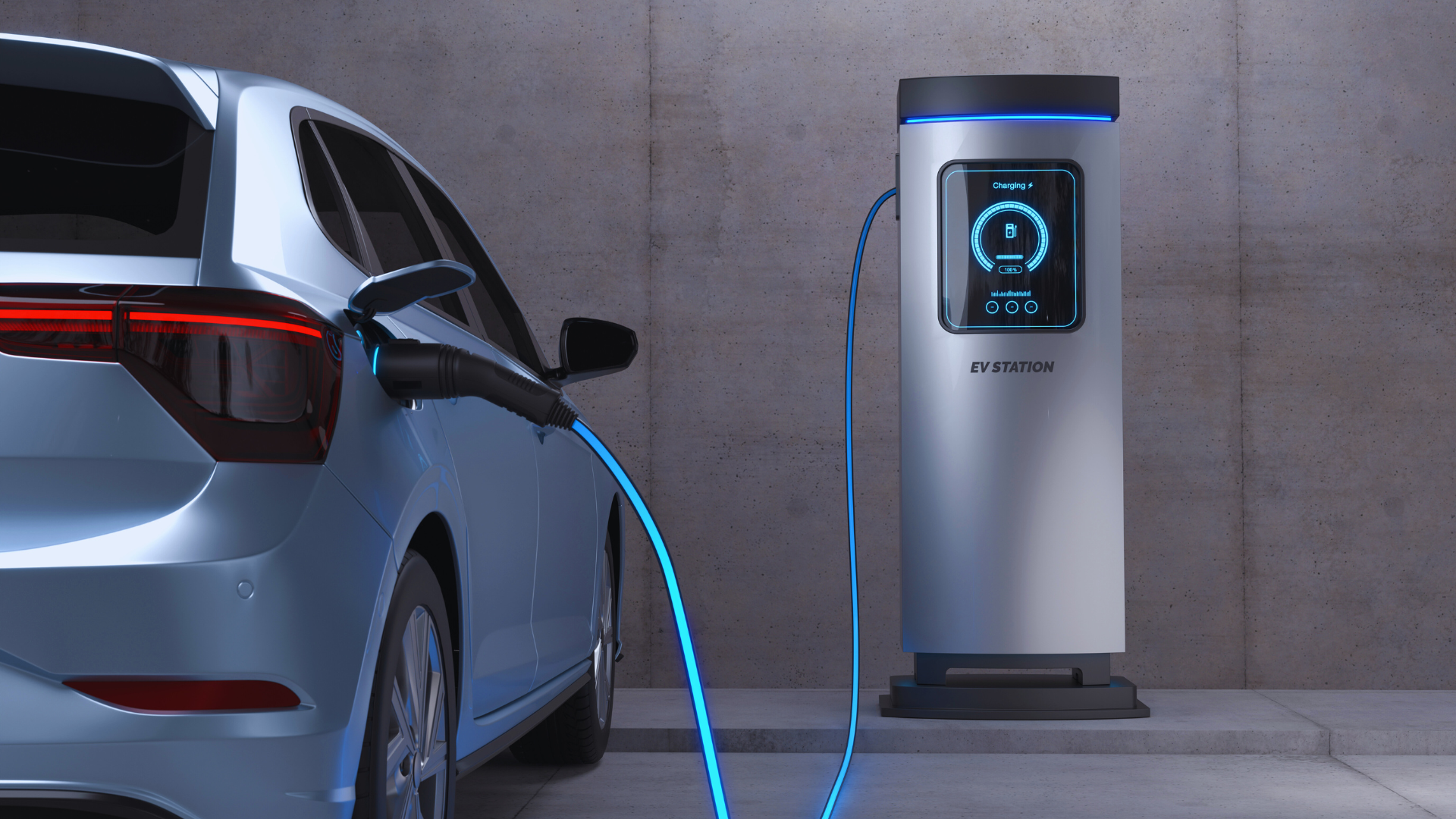
Electric vehicles (EVs) produce zero tailpipe emissions and usually cost less to operate and maintain. Charging infrastructure is expanding, but range limitations remain a factor to consider.
Both vehicle types qualify for federal and state incentives in many regions, lowering the overall purchase price. Hybrids offer a transition solution for those not ready to go fully electric.
Comparing Fuel Efficiency Ratings
Fuel efficiency is measured by miles per gallon (MPG) or miles per gallon equivalent (MPGe) for EVs. Higher MPG or MPGe indicates less fuel burned or energy used per mile.
The EPA label displays city, highway, and combined ratings—choose vehicles with consistently high ratings across all conditions for steadier emissions reduction.
Pay attention to real-world efficiency data. User reviews and third-party tests provide insight beyond official figures, which can differ based on driving habits.
Alternative Fuel Options
Vehicles running on compressed natural gas (CNG), propane, or biofuels like ethanol blends have lower emissions than conventional gasoline cars. These fuels produce fewer particulates and greenhouse gases.
Flex-fuel vehicles (FFVs) can operate on gasoline or ethanol blends up to E85, though ethanol’s emissions benefits depend on feedstock and production methods.
Hydrogen fuel cell vehicles emit only water vapor, but require hydrogen refueling stations that are scarce. Assess fuel availability when considering alternative fuel options.
Driving Techniques to Reduce Emissions
Reducing emissions from driving relies heavily on how the vehicle is operated. Efficient acceleration, speed control, and braking habits directly affect fuel consumption and greenhouse gas output. Adopting specific driving techniques can lead to measurable improvements in emissions.
Smooth Acceleration and Braking
Rapid acceleration increases fuel consumption and emissions because the engine works harder to reach speed quickly. Gradually pressing the accelerator over several seconds allows the engine to burn fuel more efficiently. Avoid sudden bursts of speed when possible.
Similarly, braking smoothly helps conserve momentum and reduces the need for heavy acceleration afterward. Anticipate stops by easing off the accelerator early and braking gently. This minimizes wear on brakes and lowers emissions caused by energy loss during frequent speed changes.
Optimal Use of Cruise Control
Cruise control helps maintain a constant speed, which can reduce fuel use on highways. It prevents unnecessary acceleration and deceleration, both of which increase emissions. Use cruise control on flat, open roads at steady speeds for the best results.
However, avoid using cruise control in heavy traffic, hilly terrain, or slippery conditions. The system may cause excessive throttle or brake application in these environments, leading to higher fuel consumption.
Maintaining Steady Speeds
Driving at a steady speed requires less engine power than frequent speed changes. Aim to keep your speed consistent by monitoring traffic flow and road conditions. Use gentle throttle input to sustain momentum, especially on inclines.
Speeding above 60 mph significantly raises air resistance and fuel consumption. Staying within or slightly below speed limits can improve fuel efficiency and reduce emissions. Use your vehicle’s tachometer or speedometer to avoid unnecessary acceleration.
Vehicle Maintenance for Lower Emissions
Maintaining your vehicle is critical to cutting emissions. Key factors include keeping the engine efficient, tires properly inflated, and fluids fresh and clean. These elements directly impact fuel consumption and pollutant output.
Regular Engine Tune-Ups
An engine running at peak performance burns fuel more efficiently, reducing emissions. Regular tune-ups involve checking and replacing spark plugs, air filters, and fuel injectors to ensure proper combustion.
Malfunctioning components can cause incomplete combustion, increasing pollutants like carbon monoxide and hydrocarbons. A mechanic can also inspect the exhaust system and oxygen sensors, which affect emission control.
Scheduling tune-ups every 30,000 miles or as recommended by the manufacturer helps maintain optimal engine function. This prevents excess fuel use and keeps emission levels in check.
Proper Tire Inflation
Tires inflated to the correct pressure reduce rolling resistance, which improves fuel economy. Under-inflated tires cause the engine to work harder, increasing fuel consumption and emissions.
Check tire pressure monthly using a reliable gauge, especially before long trips or heavy loads. Adjust pressure to values listed on the vehicle’s door placard or owner’s manual.
Besides emissions, proper inflation enhances tire lifespan and vehicle safety. Ignoring this simple step can reduce fuel efficiency by up to 3%, raising your carbon footprint without added benefit.
Timely Oil and Filter Changes
Using clean oil and filters minimizes engine wear and promotes efficient operation. Old or dirty oil increases friction, causing the engine to use more fuel and release more pollutants.
Follow manufacturer intervals, generally every 5,000 to 7,500 miles, depending on driving conditions and oil type. Synthetic oils often last longer and provide better protection.
Changing oil and filters on time prevents sludge buildup and maintains proper lubrication. This helps reduce nitrogen oxides and particulate emissions by enhancing combustion quality.
Smart Trip Planning and Carpooling
Efficient route management and shared rides can significantly lower driving emissions. Prioritizing well-organized trips and using alternatives to solo driving contribute to reduced fuel use and fewer pollutants released into the air.
Combining Multiple Errands
Planning trips so that multiple errands are handled in one outing reduces total miles driven. This saves fuel and cuts down emissions by minimizing unnecessary trips.
Group stops logically by location to avoid backtracking. For example, visit the grocery store, bank, and post office in one route designed to be the shortest path covering all.
Using tools like mapping apps with multi-stop optimization helps find the best order. This method limits engine idling and starts, both of which increase pollution.
Using Public Transit Alternatives
Switching to public transit for some trips lowers individual car use and emissions. Buses and trains often transport many passengers simultaneously, making per-person emissions much lower than private cars.
Look into nearby bus routes or commuter rail lines that connect your home, work, or popular destinations. Use transit schedules to plan timely trips and avoid long waits.
Increased use of public transit also reduces traffic congestion, which further decreases overall vehicle emissions in busy areas.
Benefits of Ride-Sharing
Carpooling shares rides among multiple passengers, cutting emissions per person significantly. When people coordinate schedules, fewer vehicles are on the road, which reduces fuel consumption.
Many apps and local programs facilitate ride-sharing options for work or social trips. Splitting costs makes driving more economical and more environmentally responsible.
Pooling rides also lessens parking demand and traffic volume. It encourages a sense of community responsibility around reducing the carbon footprint of daily travel.
Reducing Weight and Drag
Reducing the weight carried by your vehicle and minimizing aerodynamic drag can lower fuel consumption and emissions. Small changes in cargo and roof accessories significantly affect efficiency during driving.
Removing Unnecessary Cargo
Every extra 100 pounds increases fuel consumption by about 1-2%. Removing items you don’t need regularly helps reduce this excess weight. Keep your trunk and cabin tidy by storing only essential goods.
Heavy tools, sports gear, or unused items should be removed before trips. Regular checks to clear out clutter improve mileage, especially in smaller cars. This practice requires no cost and offers immediate benefits in lower emissions.
Streamlining Vehicle Roof Racks
Roof racks increase drag and reduce fuel economy, especially at highway speeds. When not in use, remove roof racks entirely to cut down wind resistance.
If removal is not an option, use aerodynamic fairings or low-profile models designed to reduce drag. Avoid carrying bulky gear on the roof when possible. Even small changes can improve fuel efficiency by 5-10% during typical driving conditions.
Using Technology to Monitor and Improve Emissions
Modern tools provide drivers with actionable data to reduce emissions. These technologies focus on optimizing driving behavior and enhancing vehicle efficiency. Integrating technology helps track fuel consumption and avoid unnecessary carbon output.
Eco-Driving Apps and Tools
Eco-driving apps analyze real-time driving data such as acceleration, braking, and speed. They offer feedback to encourage smoother driving habits, like gradual acceleration and maintaining steady speeds, which significantly lowers fuel use.
Many apps provide personalized reports showing fuel consumption patterns and CO2 emissions. Features often include route optimization to avoid traffic congestion and reduce idle time. Some apps connect directly to a vehicle’s onboard diagnostics (OBD) system for accurate, real-time monitoring.
Popular options like “Fuelio” and “Drivvo” combine cost tracking with emission data, helping drivers identify inefficient habits. These tools empower users to make data-driven improvements, leading to lower fuel costs and emissions.
Advanced Driver-Assistance Systems
Advanced Driver-Assistance Systems (ADAS) support safer and more efficient driving by integrating technologies like adaptive cruise control and lane-keeping assist. These systems reduce unnecessary acceleration and braking, two major causes of excess emissions.
Adaptive cruise control maintains a consistent speed and distance from other vehicles, minimizing fuel-wasting stop-and-go driving. Lane-keeping systems reduce lateral corrections, which also contribute to inefficiencies.
Other ADAS features, such as eco-mode and automatic engine stop-start, directly reduce fuel consumption. Automakers increasingly include these systems as standard, making emission reductions accessible without driver effort while improving safety.
Adopting Sustainable Driving Habits
Reducing emissions starts with practical changes to everyday driving behavior. Simple adjustments can lower fuel consumption and cut pollution without extra costs.
Minimizing Engine Idling
Idling wastes fuel and increases emissions unnecessarily. Avoid leaving the engine running while parked or waiting for extended periods.
For example, turning off the engine when stopping for more than 10 seconds can save up to half a gallon of fuel per hour. Modern vehicles do not require idling to keep systems running, so turning off your engine is safe and efficient.
Extended idling also accelerates engine wear. Reducing idling time lowers both emissions and maintenance costs. Use accessories like the radio and climate control cautiously when the engine is off, opting for brief stops whenever practical.
Turning Off the Engine at Stops
At red lights or short stops, turning off the engine is an effective way to cut emissions. This approach reduces fuel use and air pollution compared to keeping the vehicle running.
If the stop exceeds 10 seconds, shutting off the engine is recommended. Restarting the vehicle uses less fuel than idling for this duration. Be mindful of traffic conditions to restart smoothly and safely.
Many modern cars have auto start-stop systems that handle engine shutoff and restart automatically. Activating this feature can provide consistent savings without changing driving habits. If your car lacks this, manually turning off the engine is still beneficial.
Long-Term Strategies for Emission Reduction
Reducing vehicle emissions sustainably requires strategic shifts in both the types of vehicles we use and the infrastructure supporting transportation. Increasing the adoption of cleaner vehicles and expanding support for environmentally focused transportation systems are vital for long-term progress.
Transitioning to Zero-Emission Vehicles
Zero-emission vehicles (ZEVs) include battery electric vehicles (BEVs) and hydrogen fuel cell vehicles. These produce no tailpipe emissions, which directly reduces greenhouse gases and air pollutants. Making the switch involves considering factors like upfront costs, charging or refueling infrastructure, and vehicle range.
Governments often incentivize ZEV adoption through tax credits, rebates, and access to carpool lanes. Charging stations are rapidly growing, especially in urban areas, making electric vehicles more practical. Hydrogen fuel cell vehicles require more infrastructure development but offer longer ranges and quicker refueling. For many drivers, switching to a ZEV now is the most effective way to cut driving emissions permanently.
Supporting Clean Transportation Initiatives
Investing in public transit, biking infrastructure, and walkable communities lowers the number of individual car trips and traffic congestion. Cities that expand bus and rail networks often see decreases in per capita emissions from transportation.
Policies encouraging carpooling, telecommuting, and flexible work hours also reduce overall vehicle miles traveled. Programs that promote electric buses and shared electric scooters create alternatives with lower emissions. Funding for research into advanced biofuels and sustainable vehicle technology complements infrastructure development and helps future-proof transport systems.
Together, these strategies reduce dependence on internal combustion engines and help achieve long-term emission goals.