Reducing your water footprint means using less water in daily activities and making smarter choices that lower water consumption indirectly. Simple actions like fixing leaks, using water-efficient appliances, and cutting back on water-heavy products can significantly reduce your water use.
Understanding where most of your water goes helps pinpoint effective changes. Small adjustments in how you consume food and manage waste also play a key role in cutting your overall water footprint.
By adopting practical habits and being more mindful, you can contribute to conserving a vital resource without major disruption to your lifestyle. This article will guide you through easy steps to make a measurable impact.
Understanding Your Water Footprint
Water footprints measure the total amount of water used in daily activities and product consumption. This includes water consumed directly, like drinking and bathing, and indirectly, such as water used to produce food or goods. Knowing these details helps identify where reductions are possible.
What Is a Water Footprint?
A water footprint quantifies how much freshwater is used to support an individual, community, or business. It covers all water use, from household tasks to the water embedded in products. This makes it a comprehensive indicator of water consumption.
It considers surface water, groundwater, and rainwater. The goal is to reveal the impact on local water resources. For individuals, this means understanding water use beyond just taps and showers.
Types of Water Footprints
There are three main types: blue, green, and grey water footprints.
- Blue water footprint is fresh surface or groundwater consumed.
- Green water footprint refers to rainwater stored in soil used by plants.
- Grey water footprint measures the freshwater needed to dilute pollutants from production processes.
Each type reflects different water sources and environmental impacts. This classification helps target specific areas for water-saving actions.
Measuring Your Water Usage
Tracking water use involves direct consumption plus indirect use through products. Tools like water bills, online calculators, and smartphone apps help estimate household use.
To measure your footprint:
- Track daily water for drinking, cooking, cleaning, and bathing.
- Calculate water in the food consumed, especially meat and dairy, which require large amounts.
- Include water used in manufacturing products you buy regularly.
Recording these amounts allows precise evaluation and identifies high-impact areas for reduction.
Reducing Water Use at Home
Cutting down water use at home involves targeted changes to fixtures, appliances, and daily habits. Simple upgrades and adjustments can save significant amounts without major lifestyle disruptions.
Efficient Fixtures and Appliances
Installing low-flow fixtures like faucets, showerheads, and toilets reduces water volume without sacrificing performance. Look for WaterSense-labeled products that meet EPA efficiency standards. Replacing older toilets with dual-flush or high-efficiency models can cut toilet water use in half.
Appliances such as dishwashers and washing machines also contribute to water consumption. Choose ENERGY STAR-rated models designed to use less water per cycle. Regular maintenance, like cleaning aerators and fixing leaks, prevents unseen waste.
Smart Laundry and Dishwashing
Running full loads is the most water-efficient laundry and dishwashing practice. Using eco or water-saving modes on machines minimizes water usage per cycle. Reducing cycle numbers and selecting cold water washes further conserve resources.
Avoid pre-rinsing dishes by hand, as modern dishwashers handle cleaning effectively without additional water. When washing by hand, fill a basin instead of running water continuously. This practice can save gallons per wash.
Cutting Water Waste in Bathrooms
Small bathroom habits add up quickly. Turning off the tap while brushing teeth or shaving saves about 1 to 2 gallons per minute. Shortening showers by even a few minutes reduces water use significantly.
Fix dripping faucets and running toilets promptly. A slow leak wastes thousands of gallons yearly. Installing a shower timer or water flow restrictor helps control usage. Consider landscaping water needs if your bathroom uses outdoor water connections.
Water-Efficient Habits in the Kitchen
Reducing water use in the kitchen involves thoughtful planning, adjusting cooking techniques, and efficient cleaning routines. Small changes in daily habits can significantly cut water waste.
Mindful Meal Preparation
Use only the water you need when washing fruits and vegetables. Instead of rinsing items under running water, soak them in a bowl and rinse briefly afterward.
Plan meals ahead to avoid washing unused ingredients. Thaw frozen foods in the refrigerator, not under running water, to save liters daily.
Choose recipes that require less water-intensive cooking methods, such as steaming or roasting. These methods conserve water and often preserve more nutrients.
Saving Water While Cooking
Use lids on pots and pans to reduce evaporation and speed up cooking. This lowers the amount of water needed.
Measure exact water quantities when boiling pasta or vegetables instead of filling pots completely. Drain water into a container and reuse it for watering plants if it’s unsalted.
Reuse cooking water where safe, like broth or water used for steaming vegetables, to minimize fresh water use. Avoid unnecessary rinsing of food under running water during cooking.
Responsible Cleanup Practices
Scrape plates instead of rinsing them before loading them into the dishwasher. Modern dishwashers clean effectively with minimal pre-rinse.
Use dishwashers only when fully loaded to maximize water efficiency. If washing by hand, fill one basin with soapy water and another with rinse water instead of running the tap continuously.
Soak pots and pans with stuck food instead of scrubbing under running water. This softens residues and reduces water consumption during cleaning.
Conserving Water Outdoors
Effective outdoor water conservation involves selecting appropriate plants and managing irrigation to minimize water waste. Using drought-resistant plants and precision watering methods reduces the overall water footprint.
Sustainable Landscaping Strategies
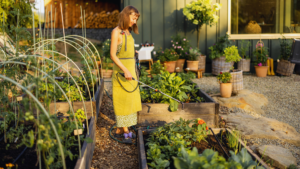
Opt for native or drought-tolerant plants that require less irrigation. These plants are adapted to local climates, thriving with minimal supplemental water. Use mulch to retain soil moisture and reduce evaporation.
Group plants with similar water needs together to avoid overwatering. Replace large lawn areas with ground covers or hardscaping like gravel or pavers to reduce water use. Proper soil preparation improves water retention and supports healthier plants.
Eco-Friendly Irrigation
Install drip irrigation systems to deliver water directly to plant roots, reducing evaporation and runoff. Use smart irrigation controllers that adjust watering based on weather data and soil moisture.
Water early in the morning or late in the evening to minimize evaporation. Regularly check sprinklers and hoses for leaks, clogs, or misalignment to avoid wasting water. Limit irrigation during rainfall or high humidity periods to prevent overwatering.
Reducing Indirect Water Consumption
Indirect water consumption includes the water used to produce the food and goods we consume daily. Addressing this factor can significantly lower your total water footprint by focusing on specific choices in diet and purchasing habits.
Making Conscious Food Choices
Food production accounts for roughly 70% of global freshwater use. Shifting toward plant-based foods can reduce water consumption substantially.
For example, producing 1 kilogram of beef requires about 15,000 liters of water, while 1 kilogram of vegetables typically needs 300-500 liters. Choosing legumes, grains, and seasonal vegetables lowers water use.
Reducing food waste also minimizes water waste embedded in the discarded products. Planning meals and storing food properly helps prevent excess waste at home.
Considering the Water Cost of Products
Every product has a hidden water cost, called the water footprint. Cotton clothing, for instance, uses about 2,700 liters of water per shirt.
Opt for products with lower water footprints, such as recycled materials or sustainably sourced goods. Checking product labels and company practices can guide smarter purchases.
Limiting single-use items and choosing durable goods reduces repeated water input over time. Small, informed choices in what you buy lead to measurable water savings.
Saving Water in Personal Care
Reducing water use during daily personal care routines can significantly lower your water footprint. Simple changes in showers, baths, and beauty habits conserve water without sacrificing hygiene or comfort.
Efficient Showers and Baths
Taking shorter showers saves gallons each time. Aim for 5 minutes or less and consider using a timer. Installing a low-flow showerhead can reduce water use by up to 50%, cutting the flow from 2.5 gallons per minute to about 1.25 gallons.
Avoid filling the tub completely. A full bath can use up to 70 gallons of water, while a quick shower uses much less. If you prefer baths, fill the tub partially or combine short showers with baths sparingly.
Turning off the water while lathering or shampooing saves substantial water. Running water only when rinsing avoids wasting several gallons per session.
Low-Water Beauty Routines
Beauty routines often use more water than needed. Washing your face with a bowl of water instead of letting the tap run can save several gallons daily. Use a damp cloth or reusable wipes to remove makeup instead of rinsing repeatedly.
Consider waterless or minimal-water products like dry shampoo, cleansing balms, and facial wipes. These options reduce the need for frequent rinsing and water use during routine care.
When rinsing hair, lower the water pressure or use a cup to control the water flow. This keeps water use efficient while thoroughly cleaning hair and scalp.
Making Water-Smart Travel Choices
Travel decisions significantly impact your water footprint. Choosing accommodations with sustainable practices and picking destinations with lower water demands can reduce your overall water use effectively.
Sustainable Accommodation Tips
Look for hotels or lodgings certified by organizations like LEED or Green Key, which indicate water-saving efforts. These properties often implement low-flow toilets, faucets, and showers to minimize water use without compromising guest comfort.
Request that linens and towels only be changed when necessary to cut down on laundry water consumption. Support accommodations that recycle wastewater or use rainwater harvesting systems to reduce reliance on municipal water supplies.
Consider camping or staying in eco-friendly lodges that prioritize conservation. Avoid high-water-use amenities such as large pools or daily spa treatments when possible.
Selecting Low-Water Destinations
Choosing destinations in climates with abundant rainfall or cooler temperatures helps reduce the water required for tourism-related activities. Areas with robust water management infrastructure also tend to support more sustainable travel.
Avoid popular tourist spots in dry regions, where demand strains local water resources. Instead, explore coastal, mountainous, or temperate locations where natural water availability is higher.
Research the destination’s water challenges before booking. Prioritize places where tourism is managed to prevent overuse of water, such as national parks with strict visitor limits or towns encouraging water conservation.
Taking Action Beyond the Household
Reducing your water footprint extends past personal habits. Engaging with broader efforts can multiply your impact and promote sustainable water use at larger scales.
Advocacy and Community Projects
Joining local water conservation groups or participating in community clean-up events helps protect water sources. Advocacy can involve contacting policymakers to support water-saving regulations or funding for infrastructure upgrades.
Education campaigns in schools or neighborhoods raise awareness of water scarcity issues. These projects encourage collective responsibility and inspire neighbors to adopt water-efficient practices.
Volunteering for river restoration or wetland preservation improves natural water filtration and biodiversity. This hands-on involvement strengthens local ecosystems and safeguards water quality.
Supporting Water-Friendly Companies
Choosing products from companies committed to reducing water use influences industry standards. Look for certifications like the Alliance for Water Stewardship label or transparent water usage reports.
Prioritize brands that invest in water recycling, rainwater harvesting, or low-water production methods. These practices lower the embedded water footprint of everyday goods.
Consumer demand for sustainable goods pressures firms to maintain responsible water management policies. Tracking corporate water performance through independent assessments helps make informed purchasing decisions.
Monitoring and Improving Over Time
Consistent evaluation of water use and setting measurable targets are essential steps for reducing your water footprint. By tracking changes regularly, you can identify successes and areas that need adjustment.
Tracking Your Progress
Begin by recording your water consumption weekly or monthly. Use tools like water meters or utility bills to collect accurate data. Tracking can be simplified with apps designed to log usage and provide trends over time.
Create a simple tracking table to monitor:
| Date | Water Usage (Gallons) | Notes on Changes |
| Jan 1-7 | 500 | Installed low-flow taps |
| Jan 8-14 | 450 | Reduced lawn watering |
Review this data every month to identify patterns. Notice spikes or reductions tied to specific behaviors. This helps in understanding which actions have the most impact on water savings.
Setting Reduction Goals
Set clear, measurable targets based on your tracking data. For example, aim to reduce water use by 10% in three months. Goals should be realistic but challenging enough to encourage meaningful change.
Use the SMART criteria: Specific, Measurable, Achievable, Relevant, and Time-bound. Example goal: “Cut water usage from 500 to 450 gallons per week within 90 days by fixing leaks and shortening showers.”
Break large goals into smaller steps for easier management. Adjust goals as needed based on progress and new data. This ensures continuous improvement and sustained water conservation efforts.