
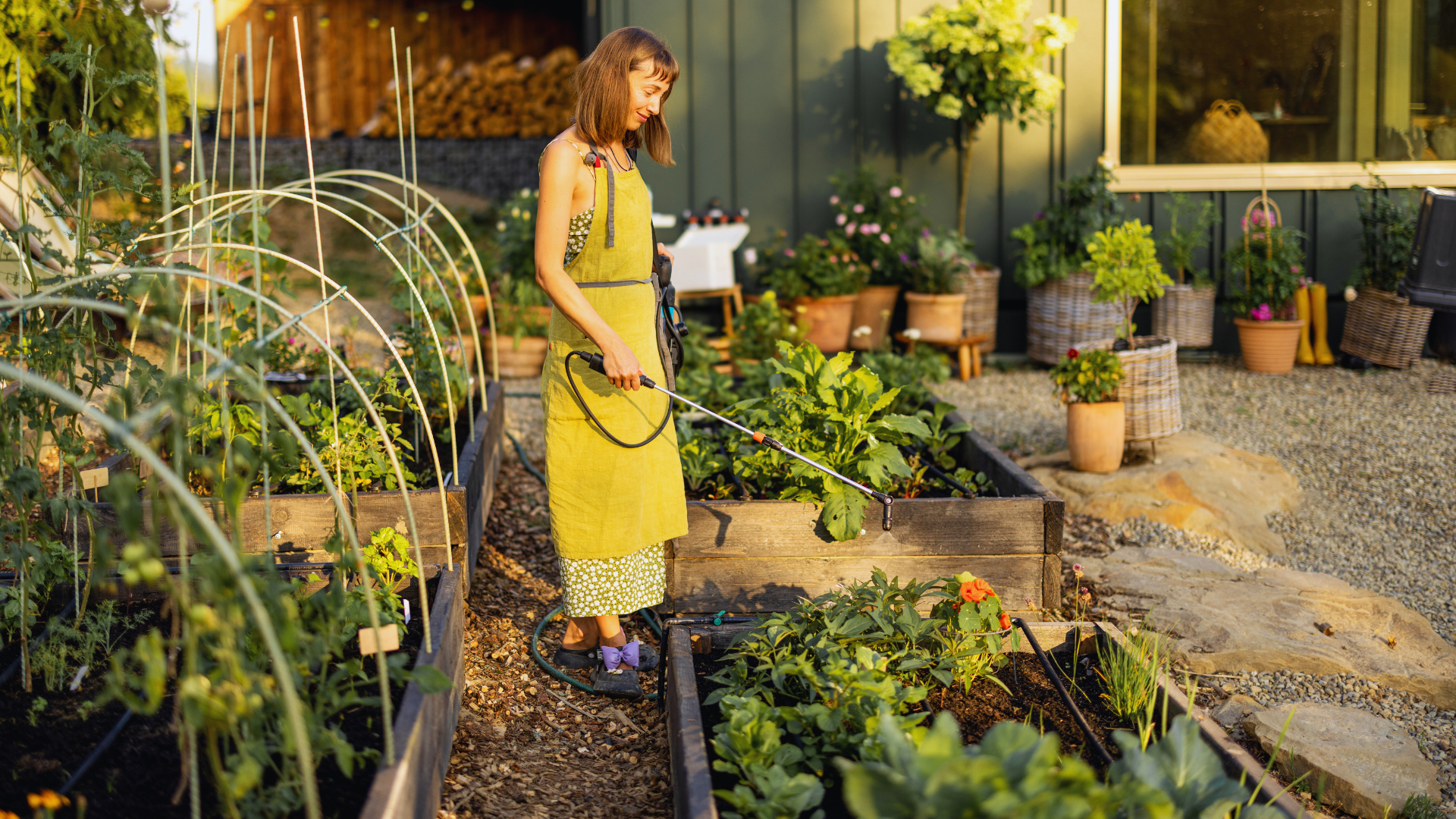
Organic gardening is an effective way to grow healthy plants without relying on synthetic chemicals. The best organic gardening tip for beginners is to focus on building healthy soil through natural compost, proper watering, and choosing the right plants. This foundation supports plant growth and reduces the need for pesticides or fertilizers.
Starting with good soil and plant selection allows you to work with nature rather than against it. You can create a sustainable garden by understanding the basics of composting, pest control using natural methods, and timely care. These simple strategies help develop a productive organic garden.
Understanding Organic Gardening
Organic gardening focuses on natural methods to cultivate healthy plants, soil, and ecosystems. It avoids synthetic chemicals and promotes long-term sustainability through natural processes.
What Makes Gardening Organic
Organic gardening uses natural materials like compost, manure, and mulch to enrich soil. It avoids synthetic pesticides, herbicides, and fertilizers, relying instead on organic inputs that break down naturally.
Crop rotation, companion planting, and biological pest control help maintain soil health and reduce pests without chemicals. Seeds and plants grown without genetic modification are preferred.
Water conservation and soil preservation are also integral to organic practices, supporting a balanced environment where plants can thrive without external synthetic inputs.
Benefits of Organic Gardening
Organic gardening improves soil structure and fertility by increasing organic matter. This leads to healthier plants that resist pests and diseases more effectively.
Avoiding synthetic chemicals reduces health risks for gardeners and prevents harmful residues on food crops. It also supports biodiversity by encouraging beneficial insects and microorganisms.
Water retention improves with organic matter in soil, decreasing irrigation needs. Organic gardens often yield tastier and more nutrient-rich produce due to naturally enriched soils.
Common Myths About Organic Gardening
One myth claims organic gardening requires more work than conventional methods. While some practices take planning, they can save time long-term through healthier soil and less pest damage.
Another misconception is that organic produce is always more expensive or less abundant. Home gardeners can grow organic food affordably and successfully with proper techniques.
Some believe organic gardening means no pest control. However, it uses natural controls and prevention rather than synthetic chemicals, maintaining plant health effectively and responsibly.
Essential Tools and Materials
Starting organic gardening requires careful choices in seeds, tools, and fertilizers that support natural growth. Quality organic seeds and plants provide a strong foundation, while the right tools enhance efficiency. Natural fertilizers improve soil health without chemicals.
Selecting Organic Seeds and Plants
Opt for certified organic seeds to ensure they are free from synthetic chemicals and genetically modified organisms. Heirloom varieties are often preferred because they adapt well to local conditions and can be saved and replanted year after year.
When buying seedlings, choose plants labeled organic or grown without pesticides. Inspect for signs of disease or pests before purchase. Starting with healthy, organic seeds and plants reduces the need for intervention later.
Keep a list of local seed suppliers known for organic practices. Consider climate-compatible species to boost success and reduce water or nutrient needs.
Recommended Gardening Tools
Essential tools include a hand trowel, pruners, a garden fork, and a watering can with a gentle spray. These items support planting, pruning, and soil aeration without heavy machinery.
For soil health, use a broadfork or aerator to loosen soil without disturbing earthworms and beneficial microbes. Avoid synthetic tool coatings that can introduce chemicals into the soil.
Invest in gloves made from natural fibers like cotton or leather to protect hands while avoiding synthetic materials. Keep tools clean and rust-free to maintain their longevity and effectiveness.
Choosing Natural Fertilizers
Natural fertilizers enhance soil fertility and support microorganisms naturally present in the soil. Common options include compost, worm castings, fish emulsion, and bone meal.
Use compost to add organic matter and improve soil texture. Worm castings provide nutrients while promoting beneficial microbial life. Fish emulsion is a quick nitrogen source, but should be diluted before application.
Bone meal offers phosphorus for root development. Rotate fertilizer types seasonally and test soil to avoid over-fertilizing. Avoid synthetic fertilizers that can harm soil ecosystems and plant health.
Soil Preparation for Organics
Preparing your soil correctly sets the foundation for a healthy organic garden. This includes checking soil quality, enriching it naturally, and maintaining moisture and temperature through organic materials.
Testing and Improving Soil Health
Start by testing your soil’s pH, nutrient levels, and texture using a soil test kit or sending samples to a local extension service. The ideal pH for most vegetables ranges from 6.0 to 7.0. Adjust pH with lime to raise it or sulfur to lower it.
Based on test results, enhance soil fertility with natural amendments like aged manure, bone meal, or rock phosphate. Avoid synthetic fertilizers as they can disrupt soil biology. Regularly tilling or turning soil improves aeration, but avoid over-tilling to maintain structure.
Composting Basics for Beginners
Composting recycles organic waste into nutrient-rich soil amendments. Collect kitchen scraps, garden clippings, and dry leaves while avoiding meat, dairy, and diseased plants.
Aim for a balanced mix of “greens” (nitrogen-rich material) and “browns” (carbon-rich material) in roughly a 2:1 ratio. Turn the pile every 1-2 weeks to provide oxygen and speed decomposition. Finished compost is dark, crumbly, and earthy-smelling, ready to mix into garden beds.
Mulching with Organic Materials
Mulching conserves moisture, suppresses weeds, and insulates soil. Use organic mulches like straw, shredded leaves, grass clippings, or wood chips.
Apply a 2-4 inch layer around plants, but keep mulch a few inches away from stems to prevent rot. Organic mulch breaks down over time, feeding soil microbes and improving fertility naturally. Replace or replenish mulch as it decomposes to maintain its benefits.
Planning Your Organic Garden
An effective organic garden starts with careful decisions about location, layout, and planting sequences. Selecting an ideal site affects sunlight and soil quality. Thoughtful arrangement and plant pairings support growth and pest control. Planning crop rotation ensures soil health and reduces disease risks.
Choosing the Right Location
Pick a site that receives at least 6 to 8 hours of direct sunlight daily, as most vegetables need full sun to thrive. Avoid areas prone to heavy shade or strong winds. Ensure the soil drains well to prevent root rot but retains enough moisture for consistent growth.
Test soil pH and nutrient levels before planting. Organic gardens prefer a slightly acidic to neutral pH (6.0 to 7.0). Amend soil with compost or manure to boost fertility and organic matter. Accessibility to water is essential for regular irrigation.
Garden Layout and Companion Planting
Design the garden to optimize space and ease of maintenance. Raised beds or rows with 18-24 inch paths allow good airflow and weed control. Group plants with similar water and sunlight needs together.
Use companion planting to enhance growth or deter pests. For example:
- Tomatoes paired with basil improve flavor and repel insects.
- Carrots planted near onions reduce carrot fly damage.
- Beans fix nitrogen, benefiting leafy greens nearby.
Avoid planting heavy feeders like corn next to plants sensitive to competition.
Crop Rotation Strategies
Rotate crops annually to maintain soil fertility and reduce pest buildup. Divide your plants into families like legumes, leafy greens, root vegetables, and fruiting crops.
A simple rotation plan:
| Year | Bed 1 | Bed 2 | Bed 3 |
| 1 | Legumes | Leafy Greens | Fruiting Crops |
| 2 | Leafy Greens | Fruiting Crops | Root Vegetables |
| 3 | Fruiting Crops | Root Vegetables | Legumes |
This practice prevents nutrient depletion and breaks pest life cycles, supporting sustainable soil and plant health.
Planting and Maintenance
Successful organic gardening depends on correct planting techniques, efficient watering practices, and consistent care through pruning and weeding. These elements work together to create a healthy, growing environment and support plant vitality.
Proper Planting Techniques
Start by selecting plants suited to your local climate and soil conditions. Dig holes twice as wide as the root ball but only as deep as its height to avoid waterlogging. Loosen roots gently if they are pot-bound before planting.
Add compost or aged organic matter to the planting hole to improve soil fertility and structure. Avoid compacting soil around the roots; instead, press it lightly to encourage root growth. Plant at the same depth as they grew in their nursery containers.
Water immediately after planting to settle the soil and eliminate air pockets. Mulch around plants with organic materials like straw or wood chips to retain moisture and suppress weeds.
Organic Watering Methods
Water deeply but infrequently to encourage strong root development. It’s better to water early in the morning or late in the evening to reduce evaporation. Use drip irrigation or soaker hoses to target the root zone and minimize water waste.
Avoid overhead watering, which can promote fungal diseases. Water in slow, steady amounts to allow soil absorption rather than runoff. Use rainwater collection systems where possible to reduce reliance on tap water.
Monitor soil moisture by checking 2-3 inches below the surface instead of relying on visible dryness. Adjust watering frequency based on weather conditions and plant needs.
Regular Pruning and Weeding
Prune plants regularly to promote airflow, remove dead or diseased growth, and encourage healthy development. Use clean, sharp tools to make precise cuts. Timing varies by plant type, but generally, avoid heavy pruning during active blooming.
Weeding should be done frequently, especially in early growth stages. Remove weeds by hand or with tools before they flower and spread seeds. Mulching helps reduce weed growth by blocking sunlight.
Consistent pruning and weeding reduce competition for nutrients and water, supporting overall plant health. Dispose of weeds properly to prevent disease spread.
Natural Pest and Disease Control
Effective control of pests and diseases involves accurate identification, the use of safe management techniques, and fostering beneficial insects. Each element plays a critical role in maintaining plant health without harmful chemicals.
Identifying Common Pests
Recognizing pests early is crucial. Common garden pests include aphids, whiteflies, spider mites, and cabbage loopers. Aphids cluster on new growth, appearing as small green, black, or white insects. Spider mites cause fine webbing and yellow speckles on leaves.
Look for specific damage patterns: holes in leaves often indicate caterpillars, while sticky residue (honeydew) typically comes from sap-sucking insects like aphids. Use a magnifying glass for detailed inspection.
Regularly inspect plants, especially the undersides of leaves and stems. Early detection helps target interventions before infestations become severe.
Safe Organic Pest Management
Organic pest management focuses on non-toxic methods that protect plants and soil. Use neem oil, insecticidal soaps, and diatomaceous earth as effective barriers and insect killers.
Spraying early in the morning or late in the evening minimizes harm to beneficial insects. Rotate treatments to prevent resistance and follow label instructions carefully.
Physical barriers like row covers and handpicking larger insects reduce pest pressure. Avoid synthetic pesticides; they disrupt ecological balance and decrease beneficial insect populations over time.
Encouraging Beneficial Insects
Beneficial insects such as ladybugs, lacewings, and parasitic wasps predate on pests naturally. Attract these allies by planting herbs and flowers like dill, fennel, and marigolds, which provide pollen and nectar.
Create habitats with diverse plantings and avoid broad-spectrum insecticides. Providing shallow water sources also supports beneficial insect populations.
Encouraging beneficial insects reduces dependence on manual pest control and helps maintain a balanced ecosystem in your garden.
Sustainable Practices for Ongoing Success
Maintaining a thriving organic garden demands consistent effort to enrich soil, adapt to seasonal changes, and harvest crops correctly. Each aspect supports long-term productivity and environmental balance.
Building Healthy Soil Over Time
Healthy soil forms the foundation of organic gardening. Focus on adding organic matter, such as compost and aged manure, to improve nutrient content and soil structure. Avoid synthetic fertilizers, which disrupt soil life and reduce biodiversity.
Implement crop rotation and plant cover crops like clover or rye. These practices prevent nutrient depletion and suppress weeds naturally. Regularly test soil pH to keep it between 6.0 and 7.0 for most vegetables.
Using mulch helps retain moisture and reduce erosion. Avoid excessive tilling; minimal disturbance preserves beneficial organisms and soil layers critical for sustainability.
Seasonal Garden Care
Adapting care routines to seasonal shifts helps plants thrive and reduces pests. In spring, prepare beds by removing debris and adding fresh compost. Start seeds indoors to extend the growing season.
Summer requires consistent watering, ideally in the early morning to reduce evaporation. Practice integrated pest management (IPM)—introduce natural predators and remove affected plants promptly.
In the fall, clear spent plants and incorporate them into the compost pile. Planting cover crops during this time protects the soil through winter. Winter is ideal for planning and repairing tools, ensuring readiness for the next cycle.
Harvesting Organic Produce
Harvest timing directly affects both flavor and shelf life. Pick vegetables early in the morning when they are cool and full of moisture. Use clean, sharp tools to avoid damaging plants.
Harvest regularly to encourage continuous production. For fruits like tomatoes or peppers, wait until full color develops. Leafy greens should be cut just above the base to allow regrowth.
Store crops properly; root vegetables do well in cool, dark, humid conditions, while berries should be refrigerated immediately to prevent spoilage. Handle all produce gently to preserve quality.
Troubleshooting and Common Challenges
Organic gardening requires careful attention to plant needs, soil conditions, and environmental factors. Addressing these areas effectively can prevent or resolve common setbacks in growth and productivity.
Dealing with Poor Yields
Low crop yields often stem from nutrient deficiencies or improper watering. Test soil regularly to identify if key nutrients like nitrogen, phosphorus, or potassium are lacking. Use organic amendments like compost or well-rotted manure to improve fertility.
Overwatering or underwatering reduces fruit production. Maintain consistent moisture by watering deeply but infrequently, ensuring good drainage. Avoid waterlogging, which can cause root rot.
Pests and diseases also impact yields. Employ natural controls such as neem oil, companion planting, or insecticidal soaps to manage infestations without chemicals. Regular inspection helps catch problems early, preserving crop health.
Addressing Soil Imbalances
Soil pH plays a critical role in nutrient availability. Most vegetables prefer a pH between 6.0 and 7.0. Adjust pH with lime (to raise) or sulfur (to lower) based on soil test results.
Compacted soil reduces root growth and aeration. Loosen soil by adding organic matter and using tools like broadforks or garden forks, but avoid excessive tilling to preserve soil structure.
Ensure soil has adequate organic content for beneficial microorganisms. Incorporate cover crops or green manures in rotation to replenish nutrients and improve soil texture without synthetic fertilizers.
Overcoming Weather-Related Issues
Extreme temperatures can stress plants, reducing growth or yield. Use row covers or shade cloths to protect seedlings from frost or intense sun.
Drought conditions require mulching to retain soil moisture and reduce evaporation. Collect rainwater or install drip irrigation for efficient watering during dry spells.
Heavy rains cause soil erosion and nutrient leaching. Build raised beds or berms to improve drainage and prevent waterlogging. Regularly check soil drainage to protect plant roots and maintain nutrient levels.
Advancing Your Organic Gardening Skills
Developing your organic garden requires practical steps like expanding your growing area, mastering seed saving, and accessing reliable education. These actions deepen your control over what and how you grow, increasing sustainability and self-sufficiency.
Expanding Your Organic Garden
Start by assessing your current garden space and climate to choose the best plants for expansion. Consider vertical gardening to maximize small areas, using trellises or wall-mounted planters. Crop rotation is essential when enlarging your garden to prevent nutrient depletion and control pests naturally.
Incorporate companion planting to enhance growth and reduce pests without chemicals. For example, plant basil near tomatoes to repel aphids. Use raised beds or containers if soil quality varies across your property, enabling better soil control.
Plan for seasonal planting cycles to maintain continuous harvests. Keep records of what works well to refine your approach over time.
Saving Seeds Organically
Choose seeds from healthy, pest-free plants that exhibit desired traits such as size, flavor, or disease resistance. Harvest seeds when fully mature, usually after the fruit or seed pod dries on the plant.
Clean seeds by removing pulp or debris, then dry them thoroughly in a shaded, ventilated area to prevent mold. Store seeds in airtight containers labeled with the plant name and date. Use cool, dark conditions to extend seed viability for 1 to 5 years, depending on the species.
Avoid hybrid seeds for saving because they often don’t produce true-to-type offspring. Focus on heirloom or open-pollinated varieties to maintain seed quality and garden genetic diversity.
Continuing Education and Resources
Stay current by consulting trusted sources like university extension programs, organic gardening books, and online courses. Engage with local gardening clubs or workshops for hands-on learning and networking with experienced growers.
Use digital tools such as gardening apps for tracking planting dates, weather patterns, and pest management. Follow reputable blogs and forums dedicated to organic gardening for advice tailored to your region.
Prioritize sources verified by experts to avoid misinformation. Ongoing education helps adapt to new organic practices and improves your garden’s productivity sustainably.