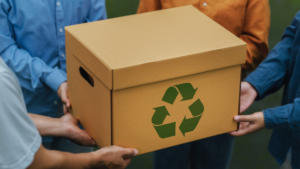

Shopping sustainably online means making intentional choices that reduce environmental impact and support ethical practices. Choosing brands with transparent supply chains, opting for quality over quantity, and minimizing packaging waste are key steps to shop more sustainably.
Pay attention to product materials, certifications, and company policies on sustainability. Sustainable shopping can also include buying secondhand or supporting small businesses focused on eco-friendly production.
By adopting these mindful habits, online shopping can become a tool to reduce your carbon footprint and encourage better industry standards. This approach benefits both consumers and the planet.
Understanding Sustainable Online Shopping
Sustainable online shopping requires awareness of how products are made, shipped, and used. It involves balancing convenience with choices that reduce environmental harm and support ethical practices.
What Sustainable Shopping Means
Sustainable shopping focuses on buying products with minimal negative impact on the environment and society. This includes selecting items made from renewable or recycled materials and those designed to last longer.
It also means prioritizing companies with transparent supply chains and fair labor practices. Avoiding fast fashion and wasteful packaging is part of this approach. The goal is to reduce waste, carbon footprint, and resource depletion while supporting ethical business models.
Environmental Impact of E-Commerce
E-commerce contributes significantly to carbon emissions, mainly through packaging, transportation, and returns. Each delivery generates emissions depending on the distance, mode of transport, and packaging materials used.
Energy consumption in warehouses and data centers also adds to the impact. Single-use plastics and excess packaging increase landfill waste. Choosing slower shipping options and consolidated deliveries can reduce emissions. Selecting brands that use eco-friendly packaging helps minimize environmental damage.
Consumer Responsibility in Online Purchases
Consumers play a critical role in driving sustainable e-commerce. Researching brands and understanding product origins helps make informed decisions. Consumers should prioritize quality over quantity and consider secondhand or repaired goods.
Returning fewer items and ordering only what is necessary limits waste. Supporting businesses with sustainability certifications or clear environmental policies encourages broader industry changes. Ultimately, consumer choices influence market trends toward greener practices.
Evaluating Brands and Products for Sustainability
Understanding a brand’s ethics, the materials used in products, and the certifications involved helps make informed choices. These factors reveal whether a product genuinely supports sustainability goals or simply markets itself as eco-friendly. Paying attention to these details reduces the risk of greenwashing.
Researching Brand Values and Certifications
Start by exploring the brand’s mission and sustainability statements on their website. Look for transparency about sourcing, labor practices, and environmental impact. Brands committed to sustainability often publish annual impact reports or detailed sections about their efforts.
Check third-party certifications the brand holds, such as B Corp status or membership in the Sustainable Apparel Coalition. These reflect verified compliance with social and environmental standards, providing more credibility than marketing claims alone.
Customer reviews and independent blogs can offer insights into how sustainably the brand operates beyond its official statements. Avoid brands that use vague language like “green” or “natural” without specific evidence.
Identifying Eco-Friendly Materials
Materials play a critical role in sustainability. Prioritize products made from organic cotton, recycled polyester, Tencel, or hemp. These materials generally require fewer pesticides, use less water, and reduce waste.
Natural fibers are biodegradable. Synthetic fibers, while durable, often shed microplastics, but recycled versions reduce raw resource use.
Avoid products containing virgin plastic or conventional leather, which have high environmental costs. Certifications like GOTS (Global Organic Textile Standard) indicate organic fiber sourcing, which matters for cotton and wool products.
Certification Labels and What They Mean
Certification labels verify claims about sustainability. Here are some common labels:
| Certification | Focus Area | What It Guarantees |
| Fair Trade | Ethical labor practices | Fair wages and safe working conditions |
| GOTS | Organic textiles | Organic fiber content, eco-friendly processing |
| FSC | Sustainable forestry | Responsible wood and paper sourcing |
| OEKO-TEX Standard 100 | Chemical safety in textiles | Textile free from harmful substances |
| Cradle to Cradle | Product lifecycle and recycling | Product designed for safe recycling |
Knowing what each label certifies helps distinguish truly sustainable products from marketing claims. Not all labels hold the same weight—prioritize those that include external audits and strict compliance criteria.
Making Conscious Online Shopping Decisions
Choosing products with care involves understanding the impact of your purchase and the practices behind it. This means focusing on brands and items that reduce waste, use resources responsibly, and provide clear information about their production.
Avoiding Fast Fashion Retailers
Fast fashion brands often produce large volumes of inexpensive clothing with short lifespans. These retailers rely on rapid turnover, which contributes to high waste and environmental damage.
To shop more sustainably, avoid retailers known for frequent collections and disposable trends. Instead, look for brands emphasizing quality over quantity. Check product descriptions for durable materials and ethical manufacturing claims.
Be wary of very low prices paired with aggressive marketing, as they often signal poor labor conditions or unsustainable methods. Investing in fewer, longer-lasting items reduces overall consumption and environmental strain.
Prioritizing Recycled and Upcycled Goods
Products made from recycled or upcycled materials minimize the need for new raw resources. These goods often use waste fabrics, plastics, or metals, reducing landfill and pollution.
When shopping online, filter search results or use keywords like “recycled,” “upcycled,” or “repurposed.” Look closely at product details outlining the percentage of recycled content or the specific materials reused.
Supporting these items encourages circular economy practices. Many brands also highlight the environmental benefits of their recycled goods, making it easier to identify sustainable options.
Seeking Transparent Supply Chains
Transparency means brands openly share information about their sourcing, labor conditions, and environmental impact. This allows buyers to verify ethical claims.
Look for companies with detailed websites or certifications from recognized groups like Fair Trade, GOTS, or B Corp. Some provide factory photos, supplier lists, or sustainability reports.
Transparent supply chains reduce risks of unethical practices and environmental harm. Prioritize brands willing to answer questions about where and how their products are made, enhancing trust and accountability.
Reducing Packaging Waste
Minimizing packaging waste when shopping online directly lowers environmental impact. Selecting products with simple, recyclable packaging and reducing the number of shipments can significantly cut down on excess materials entering landfills.
Choosing Minimal or Recyclable Packaging
Look for sellers that prioritize packaging made from recycled or easily recyclable materials, such as cardboard or paper over plastic. Products wrapped in excessive plastic or bubble wrap should be avoided when alternatives exist.
Some brands clearly label packaging as compostable or reusable. Opt for those to encourage sustainable disposal. Using minimal packaging also reduces shipping volume and waste, so favor items with less bulky boxes.
If possible, request “no plastic” or “minimal packaging” options at checkout. Retailers increasingly offer these choices, helping consumers play a direct role in waste reduction. Keep in mind local recycling guidelines to ensure packaging can be properly processed.
Opting for Bulk Orders to Minimize Shipments
Ordering multiple items at once lowers the total number of shipments, reducing packaging used across parcels. Bulk purchases often consolidate products into fewer boxes, diminishing excess padding and cardboard waste.
Combine periodic needs to reduce frequent deliveries. For example, buy household essentials in larger quantities rather than multiple small orders. This approach lowers the carbon footprint linked to transportation and packaging materials.
Some retailers offer discounts or incentives for bulk purchases, adding a financial benefit. Check if subscriptions allow customizable quantities to better match consumption patterns and avoid frequent reordering.
By coordinating orders carefully, it is possible to reduce both packaging waste and environmental impact.
Supporting Ethical and Local Businesses
Choosing where to shop online affects environmental impact, labor conditions, and local economies. Identifying trustworthy sellers and prioritizing nearby vendors can enhance sustainability in your buying habits.
Shopping from Certified Ethical Sellers
Certified ethical sellers meet strict standards on labor rights, environmental practices, and transparency. Look for labels such as Fair Trade, B Corp, or Rainforest Alliance when selecting products.
These certifications indicate fair wages, safe working conditions, and reduced environmental harm. Shopping from these sellers supports responsible production and discourages exploitative practices.
Many platforms highlight certification badges on product pages or seller profiles. Verifying claims through independent accreditation websites can help confirm authenticity before purchase.
Benefits of Buying Local Online
Buying from local businesses reduces transportation emissions by shortening the supply chain. It also supports community employment and economic resilience.
Local sellers often provide unique or handmade goods, further reducing reliance on mass-produced items. Many offer faster shipping and easier returns, improving the customer experience.
Use online directories or apps focused on regional businesses. Search filters on marketplaces can narrow results to nearby vendors to ensure your money stays within the local economy.
Lowering Your Carbon Footprint When Shopping Online
Reducing the environmental impact of online shopping involves making smart choices during delivery and addressing the emissions linked to shipping processes. Practical steps can significantly lessen your carbon footprint without complicating your shopping experience.
Selecting Eco-Conscious Delivery Options
Choosing slower delivery options like standard or economy shipping often consolidates multiple orders, reducing the number of trips and fuel consumption. Many retailers now offer carbon-neutral or green shipping alternatives that use electric vehicles or biofuels.
Avoid expedited or same-day delivery unless necessary, as these methods tend to increase emissions due to less efficient routing. Grouping purchases into fewer shipments also helps minimize packaging waste and shipping emissions.
When available, opt for delivery to local pickup points or lockers. This reduces last-mile emissions, which usually account for a large share of a package’s carbon footprint. Always check if the retailer supports sustainable delivery practices before finalizing your purchase.
Offsetting Shipping Emissions
Several online sellers provide options to offset the carbon emissions generated by shipping. This involves contributing to projects that reduce greenhouse gases, such as renewable energy or reforestation initiatives.
If no offset option is available, third-party programs allow consumers to calculate their emissions and purchase offsets independently. This can be integrated into your buying routine to compensate for unavoidable carbon outputs.
It’s important to verify the legitimacy of offset programs by researching their certification and impact track records. Look for standards like the Verified Carbon Standard (VCS) or Gold Standard to ensure that offsets contribute to meaningful climate benefits.
Extending the Life Cycle of Purchases
Maximizing the usability of items reduces waste and the demand for new resources. Knowing where to find repair services and how to maintain products keeps them functional longer. Selling or buying secondhand also helps keep goods in circulation instead of sending them to landfills.
Repair and Maintenance Resources
Accessing professional repair services extends the life of many products, especially electronics, clothing, and appliances. Brands like iFixit offer detailed guides and affordable parts for do-it-yourself fixes, which saves cost and avoids unnecessary replacements.
Some retailers include repair options at checkout or in customer service, so check if warranty or paid repairs are available. Local repair shops and community tool libraries provide specialized knowledge and equipment for maintenance tasks, from shoe resoling to electronics soldering.
Regular maintenance, such as cleaning filters, updating software, and proper storage, can prevent common malfunctions. Keeping a maintenance schedule for frequently used items reduces the chance of expensive or irreversible damage.
Participating in Secondhand Marketplaces
Buying and selling items through secondhand platforms reduces demand for new products and limits waste. Websites like eBay, Poshmark, and Depop specialize in different categories, from electronics and fashion to furniture.
To ensure quality, look for sellers with high ratings and clear photos. Many sites allow returns or dispute resolution if the product does not match the description. Pricing items fairly and honestly increases the chance of a quick sale and satisfaction for both parties.
Donating or trading items locally through Facebook Marketplace or Freecycle allows goods to move quickly without shipping emissions. Consistent engagement in secondhand markets helps develop a habit of reuse and resourcefulness in shopping behaviors.
Responsible Disposal and Returns
Handling returns and unwanted items thoughtfully can reduce waste and environmental impact. Choosing the right approach to returns and disposal helps conserve resources and supports sustainable practices.
Minimizing Returns
Before purchasing, carefully read product descriptions and review size charts to avoid ordering incorrect items. Check customer reviews for insights on fit, quality, and durability to reduce the chance of returns.
When placing orders, consider buying from retailers with flexible return policies that encourage exchanges instead of full refunds. Some companies offer returnless refunds for defective products, which lowers shipping emissions.
If returns are necessary, use original packaging if possible to minimize additional material waste. Combine multiple returns into one shipment to reduce carbon emissions from transport.
Recycling or Donating Unwanted Items
Avoid throwing unwanted items in the trash. Many textiles, electronics, and plastics can be recycled through dedicated local programs or retailer take-back initiatives. Check company websites for specific recycling instructions.
Donate gently used clothing and household goods to local charities or thrift stores. This extends the item’s life and supports community reuse efforts.
Some brands offer incentives like discounts or store credit when customers return used products for recycling or refurbishing. Utilize these programs to lower waste and promote circular economy practices.
Staying Informed on Sustainable Shopping Practices
Being aware of current developments and using reliable tools helps shoppers make responsible choices. Staying updated on trends and applying practical resources can improve the impact of online purchases.
Following Sustainable Shopping Trends
Consumers can track sustainable shopping by following specific influencers, brands, and news outlets dedicated to eco-friendly practices. Key topics include circular fashion, ethical sourcing, and carbon-neutral shipping.
Look for brands adopting transparency in their supply chains and reducing waste. Social media platforms and newsletters from recognized organizations provide regular updates. Using search terms like “sustainable fashion 2026” or “eco-friendly product launches” keeps your knowledge current.
Regularly reviewing product certifications such as GOTS, Fair Trade, or B Corp status is essential. These labels verify company commitments and production standards, helping to identify trustworthy options.
Utilizing Tools and Resources for Conscious Choices
Several apps and websites assess product sustainability and provide alternatives. For example:
| Tool/App | Feature |
| Good On You | Ratings for clothing brands |
| DoneGood | Ethical brands marketplace |
| EWG’s Skin Deep | Cosmetic product ingredient ratings |
| Offset App | Carbon footprint tracking and offset |
Use browser extensions that highlight sustainable options during online shopping. Many tools also offer tips for reducing packaging waste and energy consumption during delivery.
Consulting product reviews focusing on environmental impact offers real-user insights. These tools simplify the process, reducing guessing and improving decision quality over time.
Conclusion
Sustainable online shopping requires thoughtful choices and awareness. Prioritizing eco-friendly brands and minimizing excessive packaging are practical steps anyone can take.
Using filters to find products made from recycled or organic materials helps reduce environmental impact. Supporting businesses with transparent supply chains promotes better labor practices.
Remember to check shipping options. Consolidating orders lowers carbon emissions compared to multiple small shipments. Also, buying quality items that last longer reduces waste over time.
Key actions for sustainable shopping:
| Action | Benefit |
| Choose eco-friendly brands | Lowers environmental footprint |
| Use minimal packaging | Reduces waste |
| Consolidate shipments | Decreases carbon emissions |
| Select durable products | Limits frequent replacements |
By applying these habits consistently, online shopping can become a more responsible activity. Sustainable consumer behavior influences market demand and encourages companies to adopt greener practices.
Making informed online purchases supports both the environment and ethical production standards. Small, deliberate changes contribute to broader, positive outcomes.