Keeping your home protected from the elements isn’t just about comfort — it’s about safety, energy efficiency, and peace of mind. Whether you’re facing sweltering summers, pounding rains, icy winters, or high winds, a weatherproof home can save you from costly damage and sleepless nights. By approaching weatherproofing as a year-round habit rather than a one-time project, you can tackle small maintenance tasks before they turn into expensive emergencies.
Spring: Repair and Refresh After Winter
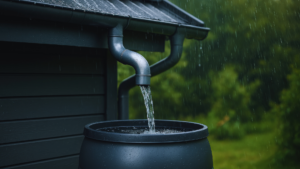
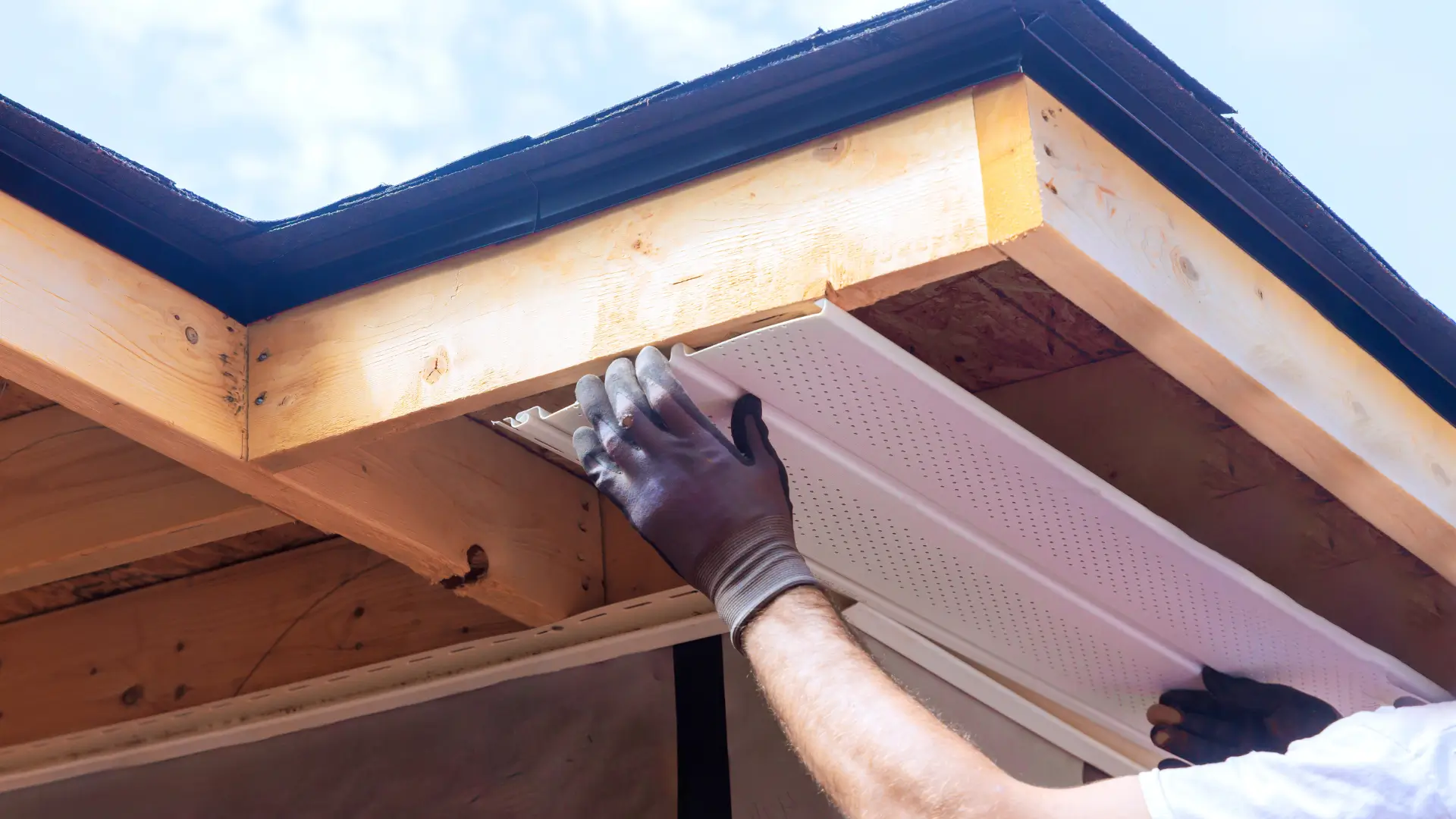
Spring is the ideal time to inspect your home for any damage caused by snow, ice, and freezing temperatures. Begin with the roof — look for missing or damaged shingles and cracked flashing, as these small issues can quickly turn into water leaks during heavy spring showers. Cleaning gutters and downspouts is equally important since clogged gutters can cause water to pool around your home’s foundation and lead to basement flooding.
This is also the season to check exterior walls, windows, and doors for cracks or gaps where moisture could sneak in. Resealing caulked areas not only keeps water out but also helps improve energy efficiency. Spring storms often bring high winds, so trim any overhanging tree branches that could fall on your home and secure loose outdoor furniture or decorations. Lastly, test your sump pump by pouring water into the pit to ensure it activates properly — a simple step that can prevent major water damage.
Summer: Beat the Heat and Prepare for Storms
When temperatures rise, your home’s insulation and cooling systems are put to the test. Seal air leaks around windows, doors, and ductwork to keep cool air in and reduce the load on your air conditioner. Regularly cleaning or replacing AC filters during the summer months keeps your system running efficiently and improves indoor air quality.
Consider adding shade solutions like blackout curtains, awnings, or reflective window film to block direct sunlight and lower indoor temperatures naturally. Summer is also storm season in many areas, so reinforce garage doors, check the roof again for damage, and have an emergency kit ready with flashlights, batteries, bottled water, and non-perishable food. Creating a cooling plan is essential, especially for homes with young children, pets, or elderly family members who are more vulnerable to heat-related illnesses.
Fall: Prep Your Home for Cold Weather
Fall is the perfect season to get your house ready for winter before the first frost arrives. Schedule a professional inspection of your heating system to make sure it’s working efficiently, and replace filters to ensure good airflow. Heat loss can be significantly reduced by replacing worn-out weatherstripping around doors and windows, which also lowers your energy bill.
If you have a fireplace, clean the chimney and check for creosote buildup to prevent fire hazards. This is also the time to drain and store garden hoses, shut off outdoor faucets, and cover or store patio furniture to avoid damage from freezing temperatures. Don’t forget to clean gutters again — falling leaves can clog them and create ice dams once snow arrives, which can lead to roof leaks.
Winter: Stay Warm and Safe
Winter is when your home faces the harshest weather, so prevention is key. Protect your plumbing by insulating exposed pipes and allowing faucets to drip slightly during extremely cold nights to prevent them from freezing and bursting. Keep an eye on indoor humidity levels — too little can dry out wood furniture and flooring, while too much can create condensation and mold problems.
Monitor your roof and attic for signs of ice dams, which form when heat escapes through the roof and melts snow that refreezes at the edges. Proper insulation and attic ventilation are the best defense against this. Keep sidewalks and driveways safe by using pet-safe ice melt, and prepare for power outages by stocking up on blankets, batteries, flashlights, and a small supply of food and water.
Year-Round Essentials
No matter the season, there are key habits that will keep your home consistently weatherproof. Regularly check for updated weather alerts and stay informed about potential storms or temperature extremes. Test smoke detectors and carbon monoxide alarms every month and replace batteries at least once a year. Make sure water drains away from your foundation by grading the soil properly and extending downspouts.
Keeping your yard clear of debris prevents it from becoming dangerous projectiles during storms. Finally, review your home insurance policy annually to ensure it covers the types of weather events common in your region — a small step that can save you from major financial headaches later.
Final Thoughts
Weatherproofing doesn’t have to be overwhelming when broken down into manageable seasonal tasks. By staying proactive with maintenance throughout the year, you can keep your home comfortable, safe, and energy-efficient. When the next storm, heatwave, or cold snap hits, you’ll have the confidence of knowing your home is prepared — and that peace of mind is worth every effort.