Sustainable agriculture is essential for maintaining healthy ecosystems, ensuring food security, and supporting farm communities. It involves using methods that protect the environment, conserve resources, and promote long-term productivity.
The best practices for sustainable agriculture focus on soil health, water management, crop diversity, and minimizing chemical inputs. Adopting these practices helps reduce environmental impact while maintaining or increasing yields.
Farmers, policymakers, and consumers all play a role in promoting sustainability on farms. Understanding these key strategies provides a clear path toward more responsible and resilient agriculture.
Principles of Sustainable Agriculture
Sustainable agriculture focuses on long-term productivity, environmental health, and responsible resource use. It requires integrating ecological balance, economic viability, and social equity to maintain farming systems over time.
Definition and Core Concepts
Sustainable agriculture means managing farms to meet current food needs without compromising future generations. It relies on practices that maintain soil fertility, conserve water, and reduce chemical inputs.
Key concepts include:
- Crop diversification
- Soil preservation
- Efficient water use
- Minimal synthetic chemicals
These practices aim to build resilient systems that protect natural resources and promote biodiversity. Avoiding monocultures and rotating crops helps maintain soil structure and nutrient cycles.
Importance of Environmental Stewardship
Environmental stewardship involves protecting air, water, and soil quality through responsible farming methods. This reduces pollution and supports ecosystem services essential for crop production.
Farmers implement techniques such as cover cropping, reduced tillage, and integrated pest management. These reduce erosion, limit chemical runoff, and support beneficial organisms.
Protection of natural habitats and promoting biodiversity on farmland are also critical. Environmental stewardship minimizes agriculture’s ecological footprint while enhancing productivity.
Balancing Productivity and Sustainability
Sustainable agriculture aims to produce enough food without depleting resources. Balancing these goals requires optimizing inputs and adopting efficient technologies.
Precision agriculture and data-driven decisions improve input use efficiency. This reduces waste and increases yield stability under varying conditions.
Economic viability is essential, so practices must be cost-effective and adaptable. Collaboration among farmers, researchers, and policymakers supports continuous improvement.
Soil Health Management
Maintaining soil health requires attention to erosion control, nutrient cycling, and maintaining organic components. These elements work together to sustain productive land and reduce negative environmental impacts.
Soil Conservation Techniques
Minimizing soil erosion is critical. Contour plowing and terracing reduce runoff by following land contours, which slows water flow and captures soil. Strip cropping alternates crop types in strips to act as natural barriers.
No-till or reduced-till farming limits soil disturbance, preserving soil structure and microbial habitats. These practices help retain moisture and prevent compaction.
Implementing grassed waterways channels excess water safely without soil loss. Establishing windbreaks, such as rows of trees, also reduces wind erosion, especially in dry or flat areas.
Organic Matter Enhancement
Adding organic matter improves soil fertility, moisture retention, and microbial activity. Common sources include compost, manure, and crop residues. These materials increase soil carbon content and nutrient availability.
Regular application of organic amendments supports soil aggregation, which enhances aeration and water infiltration. Well-structured soil reduces erosion and supports root growth.
Monitoring soil organic matter cycles helps determine appropriate timing and quantity for amendments. Over-application can lead to nutrient imbalances or runoff issues, so balance is essential.
Cover Cropping Strategies
Cover crops protect soil during off-season periods by reducing erosion and increasing nutrient content. Common cover crops include legumes like clover and vetch, which fix atmospheric nitrogen.
Non-legume cover crops, such as rye or oats, add bulk organic matter and scavenge residual nutrients, preventing leaching. Cover crops also suppress weeds and improve soil structure.
Selection depends on climate, soil type, and crop rotation plans. Termination methods vary from mowing to rolling, timed to maximize benefits for the subsequent cash crop.
Water Conservation in Farming
Managing water effectively is critical for sustainable agriculture. Techniques range from precise irrigation systems to water reuse strategies that reduce waste and improve crop yield.
Efficient Irrigation Methods
Using irrigation technologies that deliver water directly to plant roots minimizes evaporation and runoff. Drip irrigation systems, for example, provide water at a slow, steady rate, reducing water consumption by up to 50% compared to traditional sprinkler methods.
Scheduling irrigation based on soil moisture and weather data further optimizes water use. Sensors and automated controllers help apply water only when necessary, avoiding overwatering that can cause nutrient leaching and soil erosion.
Farmers may also adopt alternate wetting and drying (AWD) in rice cultivation, which lowers water use by allowing fields to dry intermittently without reducing yield. These methods collectively improve water efficiency while maintaining or increasing productivity.
Water Recycling and Reuse
Reusing water in agricultural operations reduces demand on freshwater sources. Treating and recycling runoff or drainage water captures nutrients and minimizes pollution.
On-farm systems like constructed wetlands or sedimentation ponds help filter organic matter and sediments before water re-enters irrigation cycles. Treated wastewater, when managed properly, can also supply water for crops not intended for direct human consumption.
Implementing water reuse requires monitoring to prevent salinity buildup and pathogen risks, ensuring safe and effective application. With appropriate measures, recycling water supports resource conservation and sustainable farm management.
Crop Diversity and Rotation
Using a variety of crops and rotating them across fields helps maintain soil health and reduces pest pressure. Different strategies in managing crop diversity can influence productivity, resilience, and environmental impact.
Benefits of Crop Rotation
Crop rotation involves growing different types of crops sequentially on the same land. This practice disrupts pest and disease cycles, limiting the buildup of harmful organisms specific to one crop species.
Rotating legumes with cereals improves soil nitrogen levels because legumes fix atmospheric nitrogen. This reduces the need for synthetic fertilizers and lowers production costs.
It also helps prevent nutrient depletion. For example, deep-rooted crops draw nutrients from lower soil layers, while shallow-rooted ones use topsoil nutrients.
Rotations improve soil structure and organic matter content, supporting water retention and reducing erosion.
Polyculture vs. Monoculture Approaches
Polyculture integrates multiple crop species grown together, increasing biodiversity on the farm. This diversity can suppress pests naturally and improve ecosystem services.
Monoculture focuses on growing a single crop species over large areas. While it can simplify management and increase short-term yields, it often leads to higher vulnerability to pests and diseases.
Advantages of Polyculture:
- Enhanced pest control through natural predator habitats
- Better soil cover and nutrient cycling
- Reduced risk of crop failure due to environmental stress
Disadvantages of Monoculture:
- Increased pesticide and fertilizer requirements
- Greater risk of soil degradation and nutrient depletion
- Higher susceptibility to pathogen outbreaks
Farmers choose between these systems based on scale, resources, and crop types. Integrating crop rotation into polyculture can maximize the benefits of both approaches.
Integrated Pest and Disease Management
Effective pest and disease control combines natural methods and proactive agricultural techniques to maintain crop health. This approach reduces reliance on chemical pesticides while promoting a balanced ecosystem within the farm environment.
Biological Pest Control
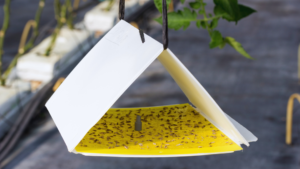
Biological pest control uses living organisms to reduce pest populations. Predators like ladybugs and parasitic wasps target aphids and caterpillars without harming crops or beneficial insects.
Microbial agents, such as Bacillus thuringiensis (Bt), provide targeted action against insect larvae. These options minimize environmental damage and prevent pesticide resistance.
Farmers introduce or enhance habitats for natural enemies by planting cover crops and maintaining hedgerows. This supports biodiversity, which stabilizes pest populations over time.
Preventive Farm Practices
Preventive practices reduce the risk of pest and disease outbreaks before they occur. Crop rotation disrupts pest life cycles, lowering the buildup of host-specific pathogens in the soil.
Sanitation measures, like removing crop residues and controlling weed growth, eliminate breeding grounds for pests. Proper seed selection and timed planting reduce vulnerability to pests.
Using resistant or tolerant crop varieties is another key strategy. These varieties limit damage from common pests and diseases, decreasing the need for chemical interventions.
Sustainable Fertilizer Use
Efficient use of fertilizers minimizes environmental impact while maintaining crop productivity. Precision in nutrient delivery and choosing the right fertilizer type are critical factors.
Nutrient Management Planning
Nutrient management planning involves assessing soil nutrient levels through testing and matching fertilizer application to crop needs. This avoids over-application, which can lead to runoff and water contamination.
Key steps include:
- Conducting regular soil tests every 2-3 years
- Calculating crop nutrient requirements based on yield goals
- Timing applications to coincide with crop uptake periods
Using tools like nutrient budgets and computerized models can improve accuracy. Limiting nitrogen and phosphorus inputs to only what plants need reduces waste and lowers greenhouse gas emissions.
Organic Fertilizer Application
Organic fertilizers, including compost, manure, and green manures, provide nutrients more slowly than synthetic options. Their use improves soil structure and microbial activity.
Important practices include:
- Applying well-composted materials to reduce pathogens
- Incorporating organic matter before planting for nutrient availability
- Monitoring nutrient release rates to avoid deficiencies
Organic fertilizers typically supply micronutrients and enhance water retention in soil. They promote long-term soil fertility but require careful management to match crop demands efficiently.
Sustainable Livestock Practices
Focusing on animal welfare and land management promotes sustainability in livestock farming. These practices reduce environmental impact while supporting productivity and health.
Ethical Animal Husbandry
Ethical animal husbandry prioritizes animal welfare through proper living conditions, nutrition, and health care. Ensuring adequate space and access to clean water helps reduce stress and disease among livestock.
Implementing humane handling techniques minimizes injury and fear. Regular veterinary check-ups and vaccinations maintain herd health, preventing outbreaks and reducing antibiotic use.
Farmers should aim for breed selection suited to local environments, improving resilience and reducing resource demands. Ethical practices also include managing waste to prevent pollution, such as composting manure for fertilizer.
Rotational Grazing Systems
Rotational grazing divides pasture into sections to control livestock movement. This allows grass recovery and prevents overgrazing, maintaining soil fertility and plant biodiversity.
Systems often involve moving animals every few days to fresh sections. This promotes even manure distribution and reduces parasite buildup in the soil.
Benefits include improved forage quality, increased carbon sequestration in soil, and reduced erosion. Effective rotational grazing requires planning grazing periods and rest intervals based on forage growth rates and weather.
Monitoring pasture condition regularly guides adjustments to grazing schedules, optimizing land use and animal nutrition.
Agroforestry and Biodiversity Enhancement
Integrating trees into farmland improves soil health, water retention, and provides habitat for various species. Supporting local ecosystems boosts natural pest control and promotes pollination, enhancing farm productivity.
Tree Integration in Farmland
Planting trees among crops or livestock fields creates microclimates that reduce wind erosion and improve moisture conservation. Trees such as nitrogen-fixing species can enhance soil fertility by adding essential nutrients naturally.
Common practices include alley cropping, where rows of trees alternate with crops, and silvopasture, combining trees with grazing animals. These methods diversify farm products and reduce reliance on chemical fertilizers.
Tree roots also stabilize soil and increase biomass, which contributes to organic matter content. Selecting appropriate species is vital for optimizing benefits without competing excessively with crops for sunlight or water.
Supporting Local Ecosystems
Creating habitats for birds, insects, and small mammals enhances biodiversity on farms. Native plants serve as food sources and shelter, helping maintain balanced populations of pollinators and natural predators of pests.
Buffer zones with diverse vegetation reduce pesticide runoff and improve water quality in adjacent streams or rivers. These areas act as corridors for wildlife, facilitating movement and genetic exchange.
Promoting local biodiversity can reduce the need for synthetic pest control and support long-term ecosystem resilience. Farmers benefit from more stable yields through these ecological relationships.
Climate Resilience and Adaptation
Sustainable agriculture must incorporate strategies to withstand changing climate patterns and extreme weather events. Implementing adaptable practices and assessing potential risks helps secure long-term productivity and environmental health.
Climate-Smart Farming Techniques
Climate-smart farming includes methods that increase productivity while reducing greenhouse gas emissions. Techniques such as crop diversification, agroforestry, and conservation tillage enhance soil health and water retention.
Precision agriculture uses technology like GPS and sensors to optimize inputs, reducing waste and improving resilience to drought or floods. Selecting drought-tolerant crop varieties also supports stability during dry spells.
Farmers practicing integrated pest management minimize chemical usage and maintain biodiversity, which strengthens ecosystems against climate impacts. These techniques collectively improve the farm’s ability to adapt to shifting conditions.
Risk Assessment and Management
Identifying climate-related risks is critical for resilient agriculture. Farmers should evaluate local vulnerabilities, such as drought frequency, flood risk, or temperature extremes.
Developing contingency plans involves setting thresholds for action, such as adjusting planting dates or switching crops in response to forecasts. Insurance products and diversification of income sources can buffer financial losses.
Regular monitoring of weather patterns and soil conditions supports timely decisions. Collaboration with local agencies ensures access to updated climate data and resources for risk mitigation.
Technology and Innovation in Sustainable Agriculture
Modern tools enhance resource efficiency and reduce environmental impact. Data-driven methods optimize crop management and enable precise interventions, helping farmers make informed decisions.
Precision Agriculture Tools
Precision agriculture uses GPS, drones, and satellite imagery to monitor field conditions with high accuracy. This technology allows targeted application of water, fertilizers, and pesticides, minimizing waste and runoff.
Farmers employ variable rate technology (VRT) to adjust inputs on different zones within a field. This increases yield while conserving resources. Soil mapping and yield monitors gather data to improve future planting strategies.
By identifying crop stress early, precision tools reduce the need for broad chemical use. This approach supports sustainable land use and lowers operational costs.
Smart Sensors and Data Management
Smart sensors collect real-time data on soil moisture, temperature, and nutrient levels. These devices automate irrigation and fertilization, ensuring precise delivery based on crop needs.
Data management platforms integrate sensor information with weather forecasts and historical data. This enables predictive analytics for better crop scheduling and risk management.
Wireless sensors reduce labor while providing continuous monitoring. This leads to improved water efficiency and enhances crop health with minimal manual intervention.
Economic and Social Considerations
Sustainable agriculture requires balancing financial viability with social responsibility. Effective strategies focus on strengthening community ties and ensuring equitable market opportunities.
Supporting Local Communities
Investing in local communities fosters social stability and economic resilience. Farmers who engage with local suppliers, laborers, and businesses help create jobs and circulate money within the region.
Community involvement can include educational programs, shared resource management, and cooperative ownership models. These approaches build trust and encourage knowledge exchange, which improves farm productivity and sustainability.
Local support often translates to better access to labor and lower transportation costs. It also reduces environmental impact by minimizing shipping distances and packaging needs.
Fair Trade and Market Access
Fair trade practices protect producers by establishing transparent pricing and ethical labor standards. These frameworks ensure farmers receive adequate compensation, helping maintain economic viability over time.
Access to wider markets allows farmers to diversify income sources. It reduces dependency on a single buyer or crop, mitigating financial risk.
Market access strategies include certification programs, direct-to-consumer sales, and partnerships with retailers committed to sustainability. These options improve visibility and promote consumer trust.
| Benefit | Description |
| Fair Pricing | Stable, transparent payments |
| Ethical Labor | Safe working conditions |
| Market Diversity | Access to multiple sales channels |
Continuous Improvement and Monitoring
Effective sustainable agriculture relies on regular evaluation and adaptation of practices. Tracking key indicators and adopting recognized standards can enhance both environmental and economic outcomes.
Performance Measurement
Performance measurement involves systematically tracking agricultural activities and their impact on soil health, water use, biodiversity, and crop yields. Common metrics include soil organic matter levels, fertilizer efficiency, and water consumption per acre.
Farmers can use tools like GIS mapping, soil testing kits, and yield monitors to collect data. This information helps identify trends and areas needing adjustment. Setting clear benchmarks and reviewing results seasonally supports timely decision-making.
Applying adaptive management ensures that interventions respond to observed outcomes. For example, reduced pesticide use should be verified through pest population monitoring to maintain crop health without excess chemical input.
Sustainable Certification Programs
Sustainable certification programs provide third-party validation of farming practices. Certifications such as USDA Organic, Rainforest Alliance, or GLOBALG.A.P. require adherence to specific environmental, social, and economic criteria.
These programs often include periodic audits, documentation of inputs and outputs, and compliance with pest management, water use, and labor standards. Achieving certification can open access to premium markets and increase consumer trust.
Maintaining certification demands ongoing record-keeping and continuous improvement efforts. Farmers must monitor practices, train staff, and implement corrective actions when standards are not met to retain certification status.